Unbuilt Works by Gautam Bhatia
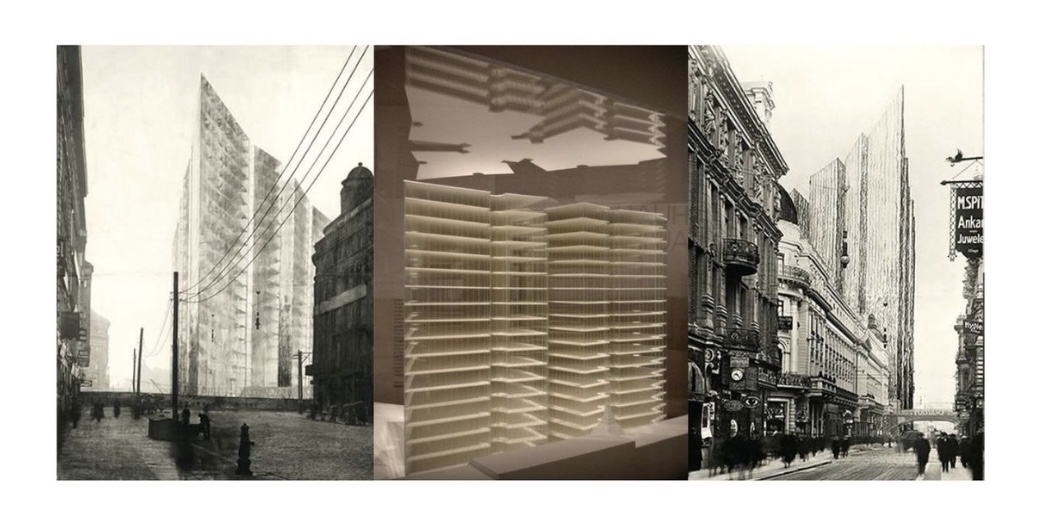
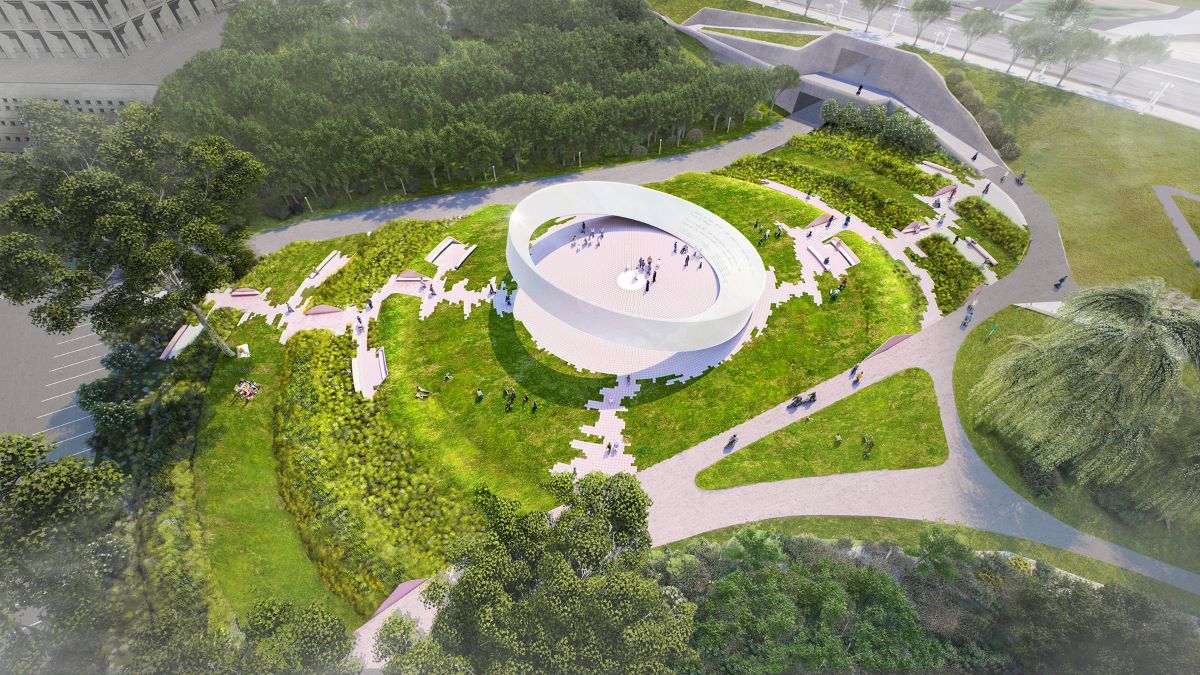
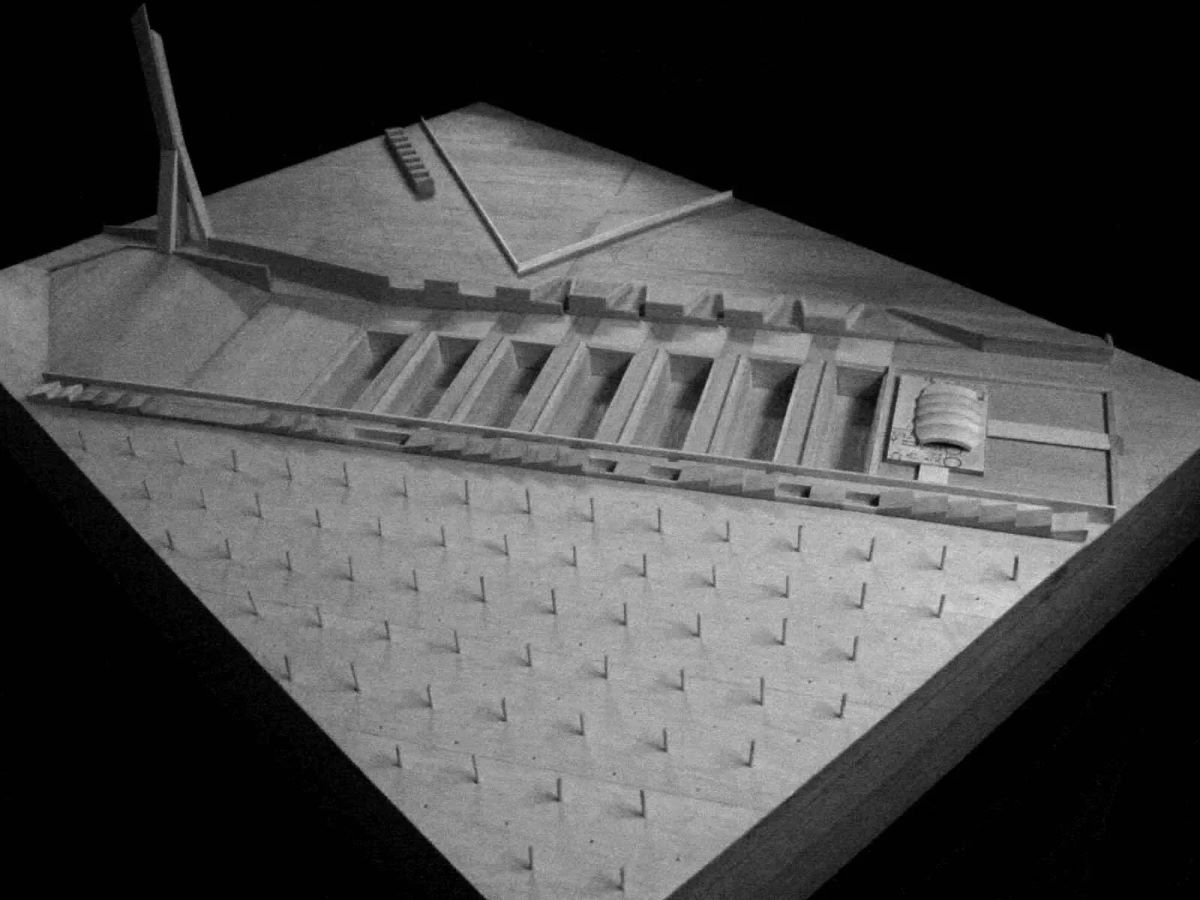
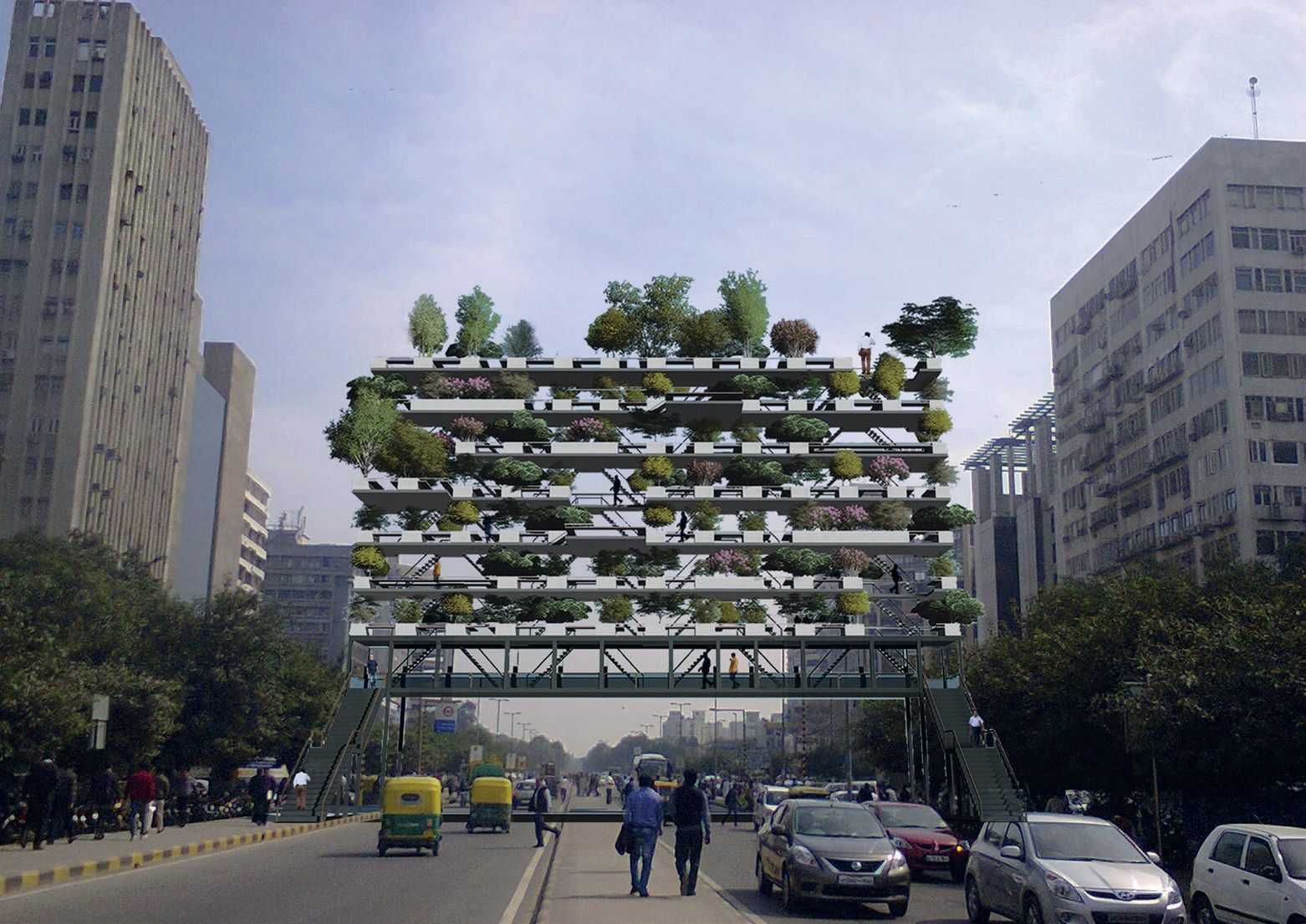
The collection of select unbuilt works by Gautam Bhatia is an exploration by him to propose elastic ideas of architecture that explore different approaches to public and living spaces.

The collection of select unbuilt works by Gautam Bhatia is an exploration by him to propose elastic ideas of architecture that explore different approaches to public and living spaces.

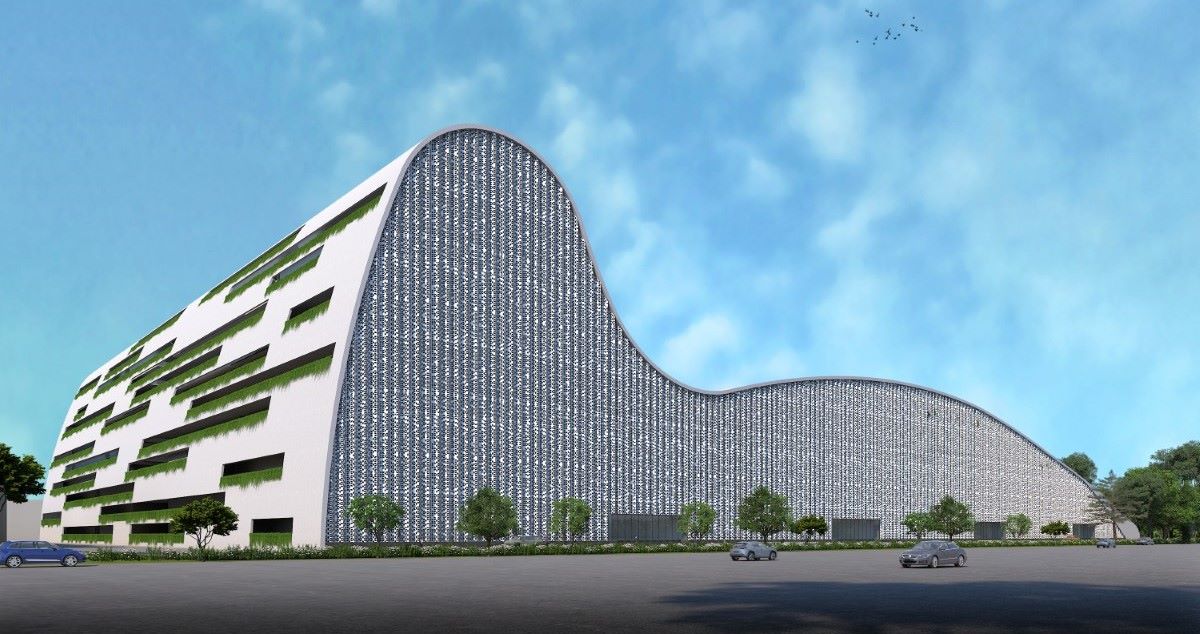
The competition entry design for Bombay High Court by Sanjay Puri Architects integrates provides a reinterpretation of court architecture as a natural, social, and energy-efficient environment.

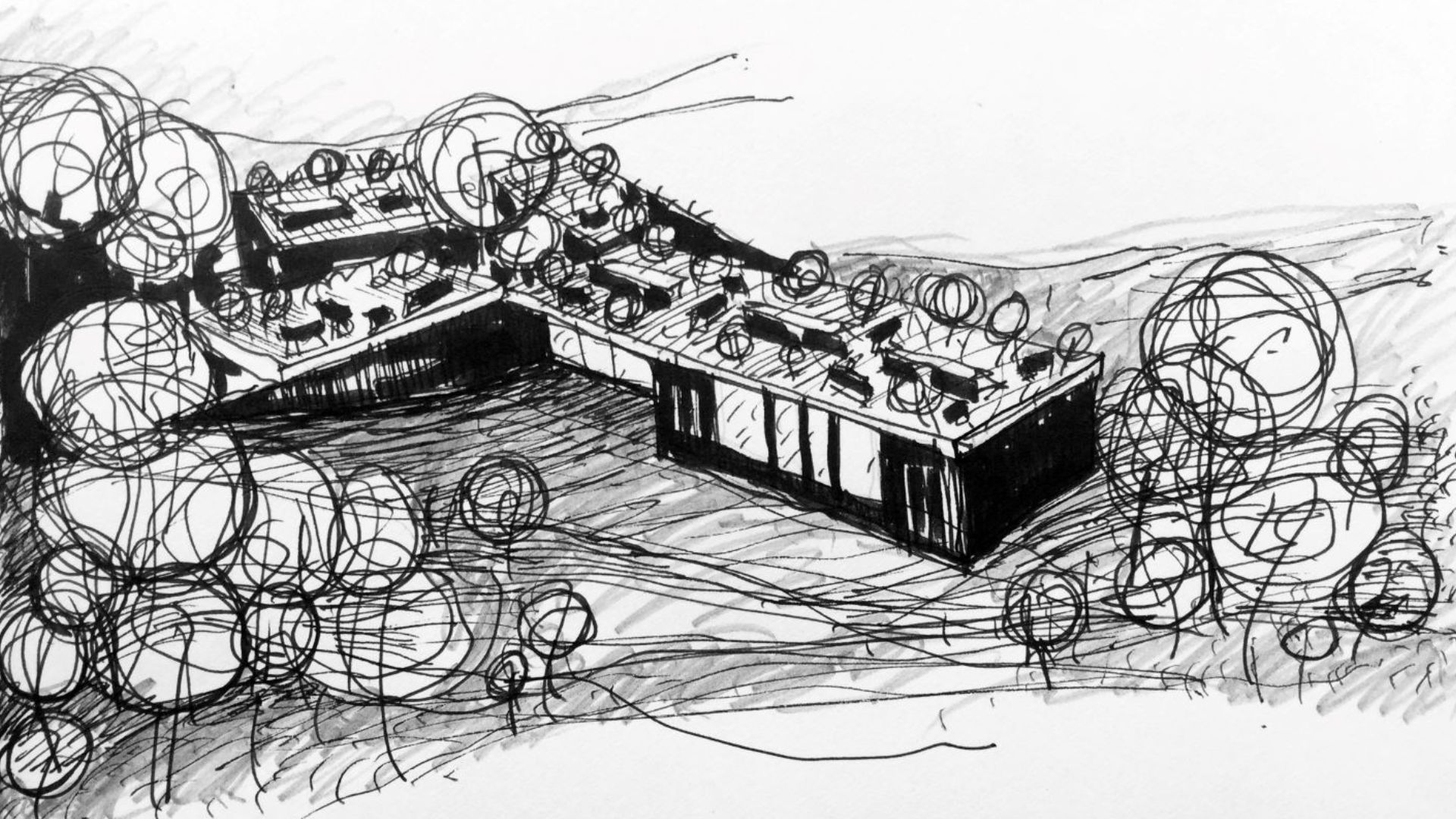
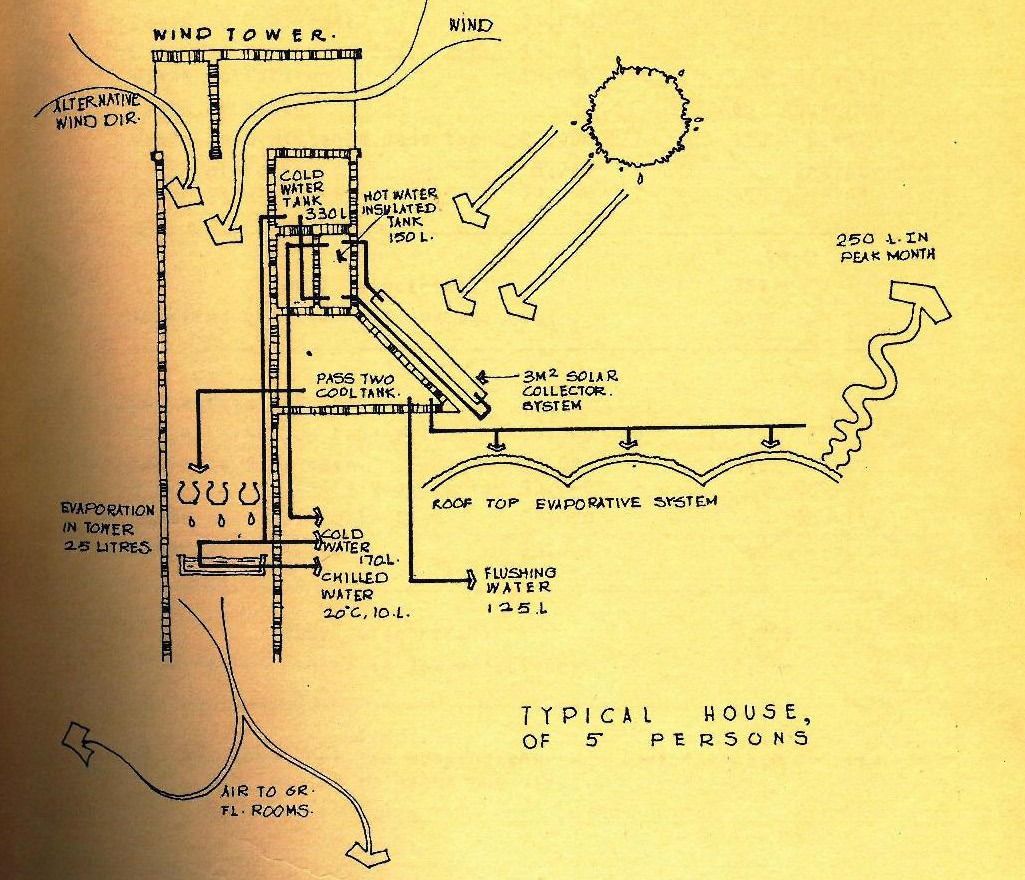
Pala, Kerala, where the residential house was to be located, has contrasting climates and a high altitude. Because of its

Godavar, in his essay about the unfinished and lost films, focusses on how these incomplete works offer glimpses into unrealised creative visions and possibilities. While digital restoration and AI present new opportunities, he presents the beauty and the ability of unfinished cinema to inspire imagination and alternative storytelling.

Sanjay Prakash, Managing Principal of SHiFt, writes about his unbuilt project that shaped SHiFt’s design philosophy, serving as prototype that informed future work. Decades later, IIT Jodhpur embodied these evolved ideas, highlighting unbuilt designs’ enduring role in architectural innovation.

Architects Anupama Kundoo and Shimul Javeri Kadri, in conversation with Khushru Irani, converse about how visionary architectural projects often remain unbuilt due to resistance and constraints, yet these “unbuilt” works serve as vital repositories of future possibility, requiring architects to practice patience and maintain transformative vision across generations.
![Dune (unreleased film) H. R. Giger - [the strange power of unseen films]. Source Wikifandom](https://unbuiltideas.com/wp-content/uploads/2025/09/Dune-unreleased-film-H.-R.-Giger-the-strange-power-of-unseen-films.jpg)
With the relevancy of unbuilt expanding to other arts forms, Saachi D’Souza ventures into “Unseen Films” that have either been banned, lost, or unfinished, and yet continue to profoundly influence cinema through and in their absence, define cultural boundaries more powerfully than many released films.

Ruturaj Parikh, for his epilogue for Unbuilt 1.0, writes about how the unbuilt architectural projects in India reveal ideological positions and cultural values more clearly than built work, representing important discourse on housing, urban design, and civic spaces beyond commercial concerns.

“Winds Through Layers” is a mixed-use community centre project, by Muzahid Islam, addressing Dhaka’s growing need for socially connected and environmentally conscious urban living.

Sanjitha Suresh’s article delves into the phenomenon of unbuilt and cancelled architectural endeavours not as mere setbacks or diversions, but as significant reflections of ambition, political contexts, economic transformations, and evolving cultural values.
Rupali Gupte is an architect and urbanist based in Mumbai, Professor at the School of Environment and Architecture (SEA) and a partner at BARDStudio. Her work often crosses disciplinary boundaries and takes different forms – writings, drawings, mixed-media works, story telling, teaching, curation, walks and spatial interventions.
Her works include extensive research on contemporary Indian urbanism with a focus on architecture and built environment; tactical practices; housing; and urban form. In 2013, she co-founded the School of Environment and Architecture (sea.edu.in). SEA is envisaged as an experimental academic space for research and education in architecture and urbanism. She has a wide range of publications, has delivered lectures and been on juries across the world. Her works in collaboration with her partner Prasad Shetty, have been shown in several exhibitions including the 56th Venice Biennale, X Sao Paolo Architecture Biennale, Seoul Biennale of Art and Architecture, at Manifesta 7 in Bolzano, at the Museum of Contemporary Art in Barcelona and at galleries such as Project 88, Devi Art Foundation and the Mumbai Art Room. She has recently curated an exhibition involving artists and architects titled ‘When is Space? Conversations in Contemporary Architecture’ at the Jawahar Kala Kendra.