Lighting Museum and Energy Centre, at Bangalore, Karnataka by Mayapraxis

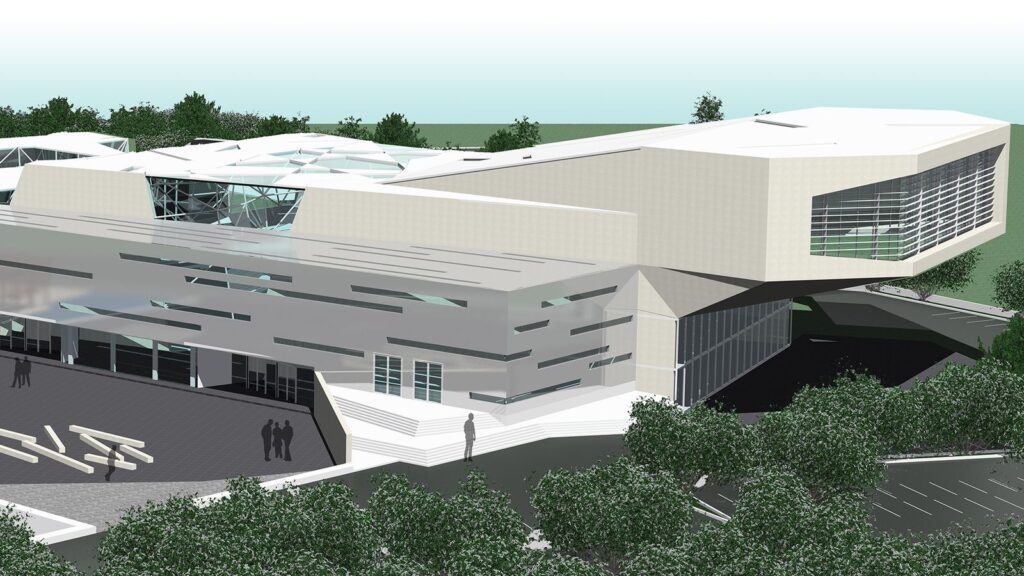
In commemoration of 150 years of power supply to Bangalore, via India’s very first power station in Shivanasamudra falls in Karnataka, the Karnataka Power Transmission Corporation Ltd, held an architectural competition for the design of a Light Museum and Energy Center. Lighting Museum and Energy Centre, at Bangalore, Karnataka, by MayaPraxis

Author

mayapraxis

mayaPRAXIS is a design studio that looks at architecture and its landscape. Our work runs along a path of diverse scales, types and settings – architecture, urban design, interior, furniture, exhibition and art. Design is creative and collaborative at mayaPRAXIS. We like to explore the spirit of the project – something that is often hidden behind the ‘functional’ requirements and project economics.

This essay is a part of Unbuilt 2.0 – BUY THE BOOK

Lighting Museum and Energy Centre, at Bangalore, Karnataka, by MayaPraxis
© Mayapraxis

In commemoration of 150 years of power supply to Bangalore, via India’s very first power station in Shivan Samudra falls in Karnataka, the Karnataka Power Transmission Corporation Ltd, held an architectural competition for the design of a Light Museum and Energy Centre.

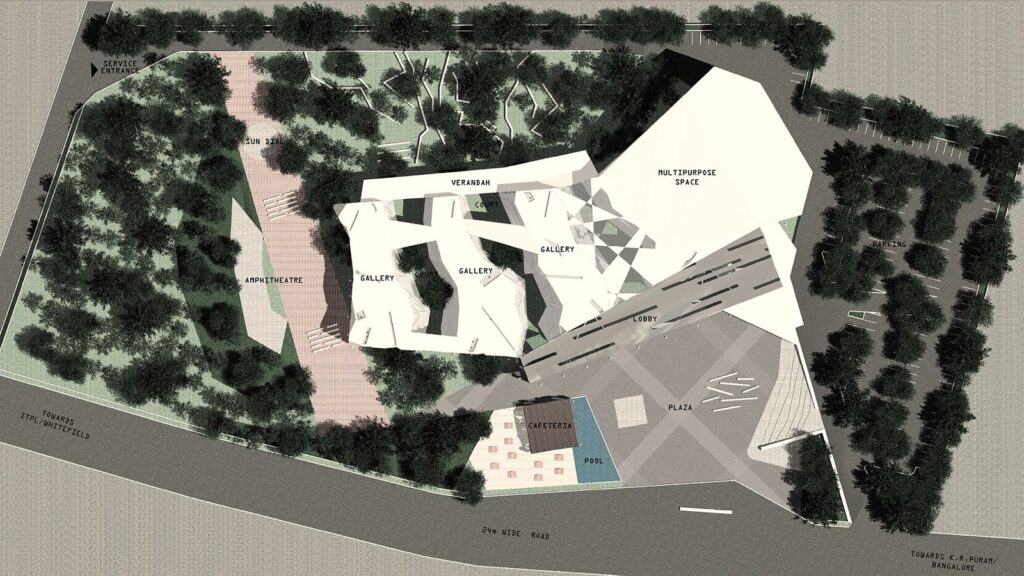
The 9-acre site is located in Hoodi and has a high-tension line passing through it. It is programmed to be a museum, research centre and public space.
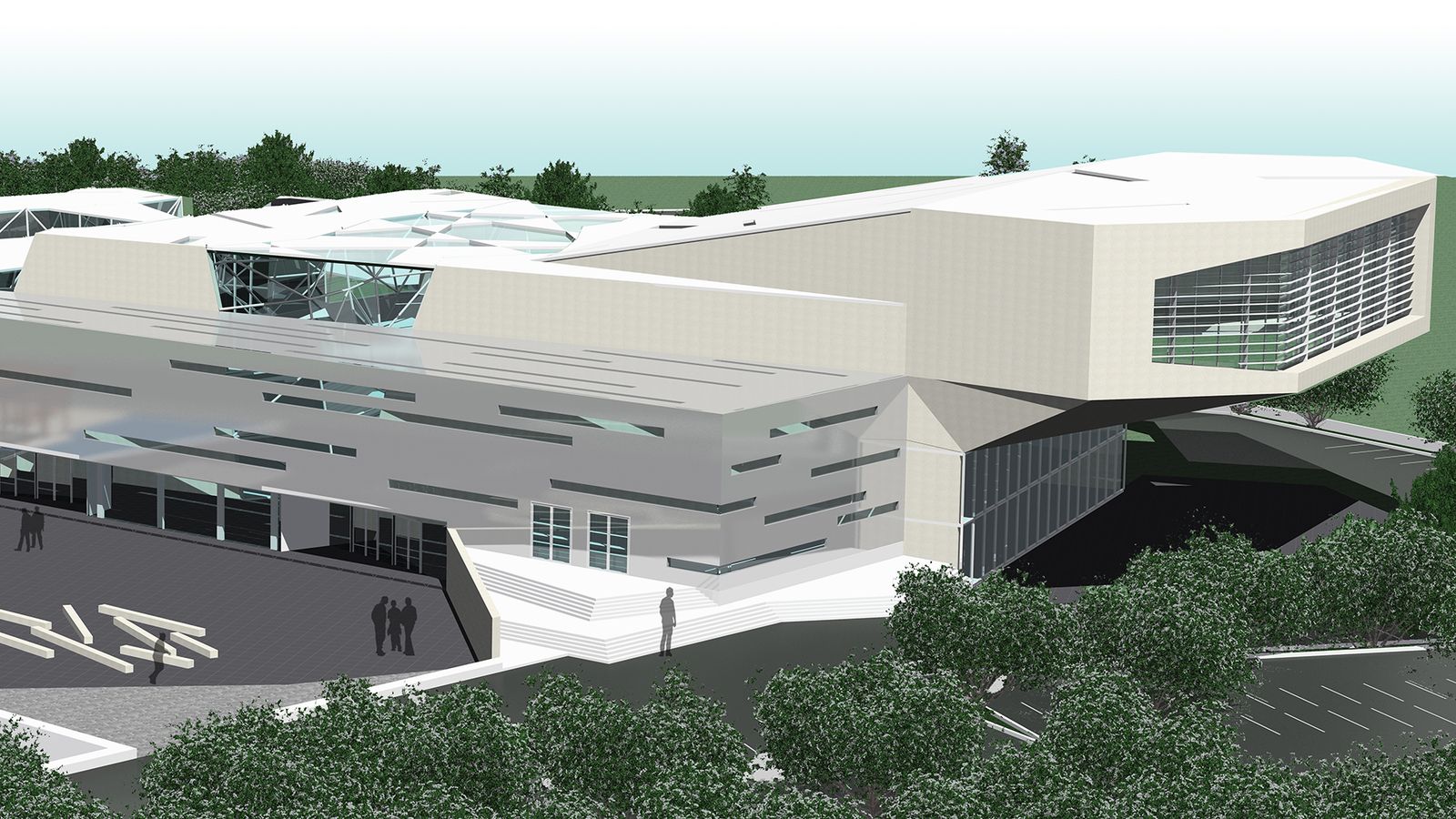
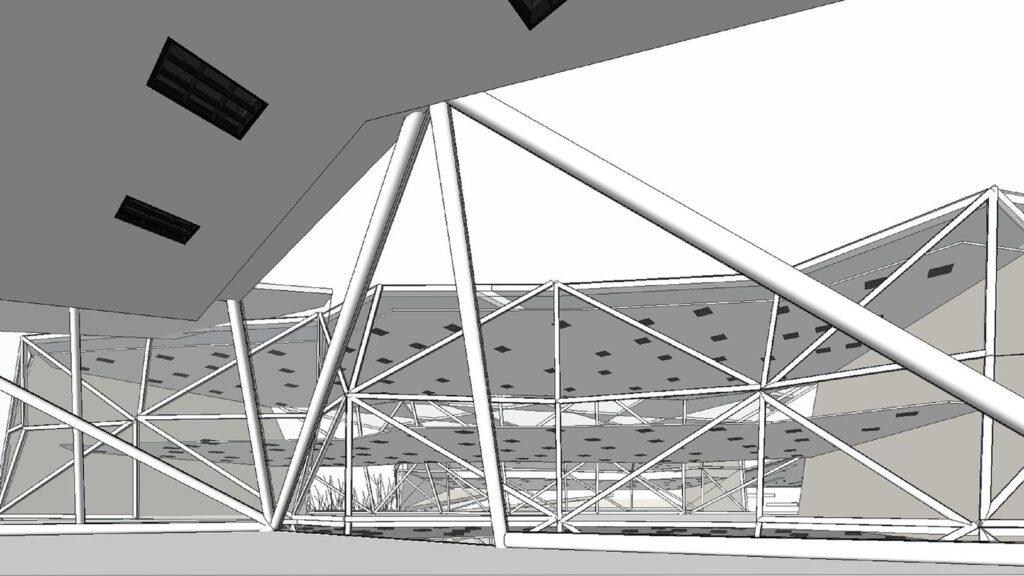
Brief dictates that the architecture of the LIMEC must celebrate light through form, material, structure and function.


The LIGHT MUSEUM will be a place for the exhibit and study of lighting technology – its cultural, scientific and historical aspects. The ENERGY CENTER will be a laboratory and knowledge centre for exchange and experiment of technological research, product design and testing standards in lighting and energy issues.
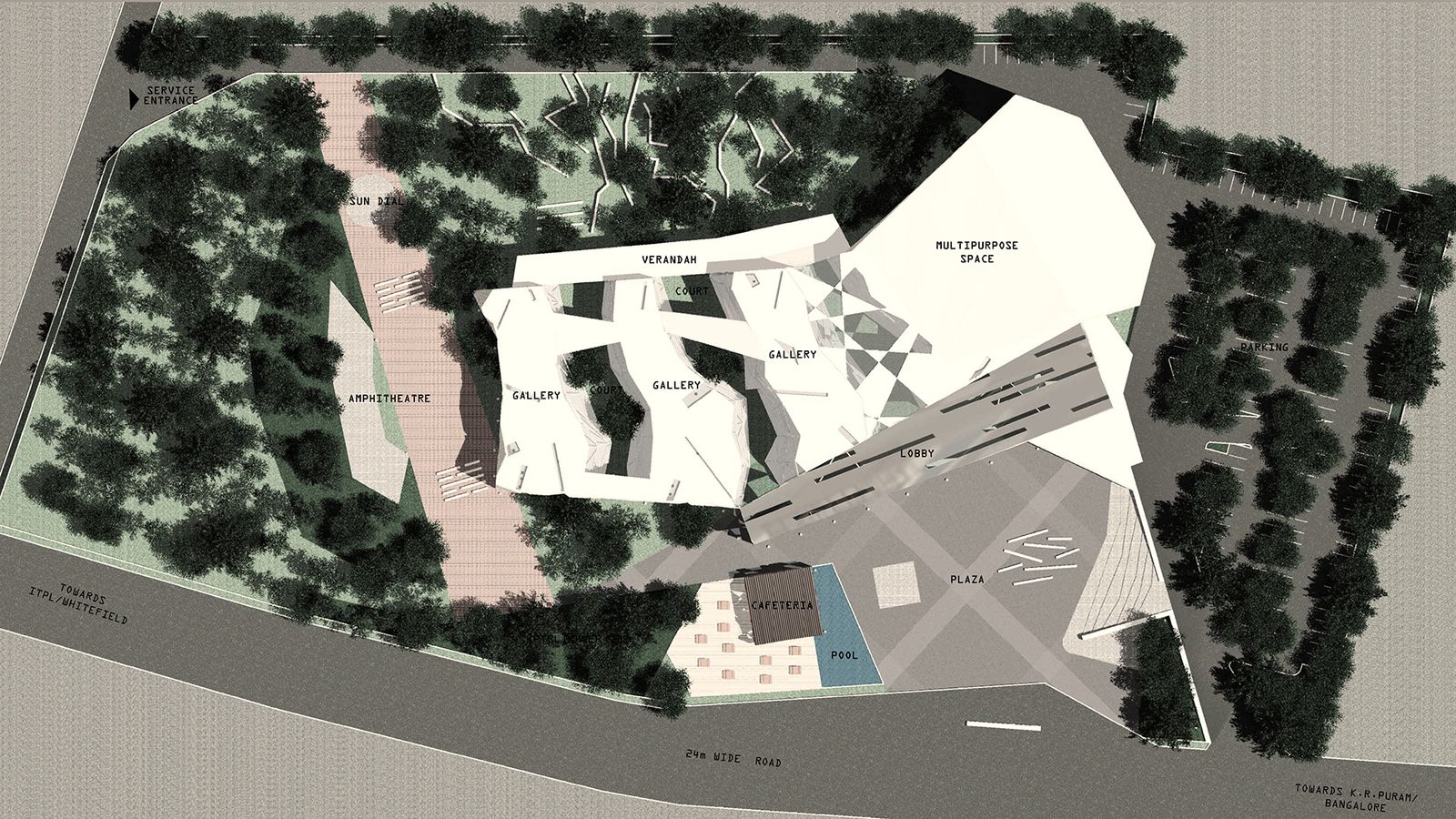
Lighting Museum and Energy Centre, at Bangalore, Karnataka by Mayapraxis 6
© Mayapraxis

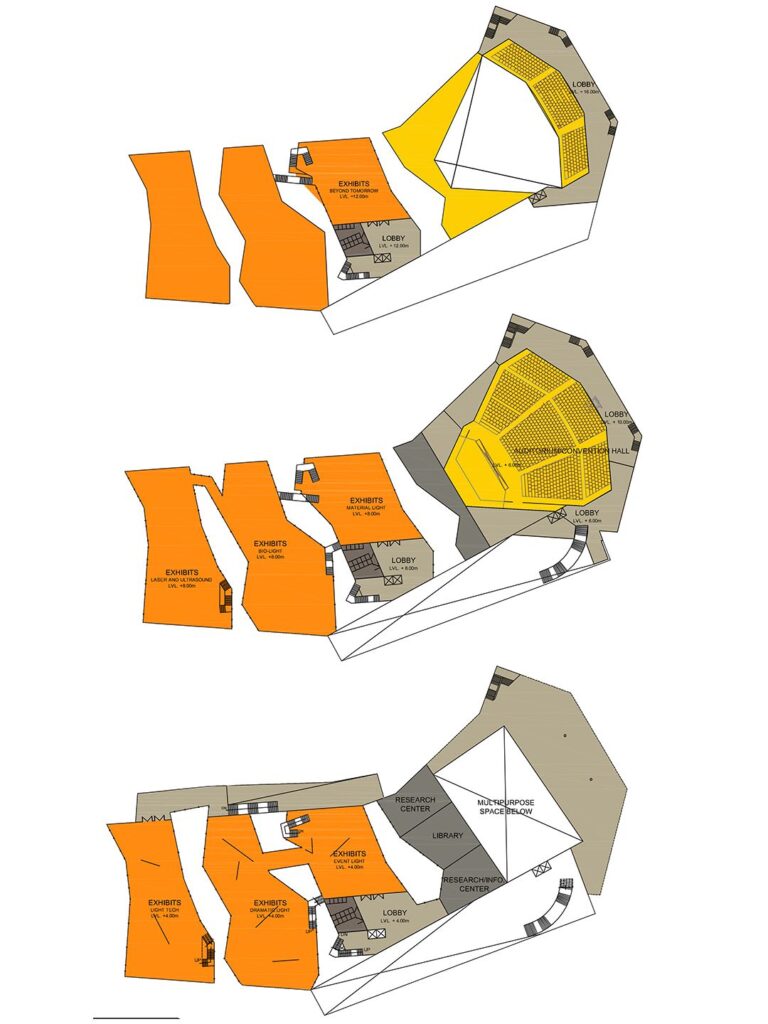
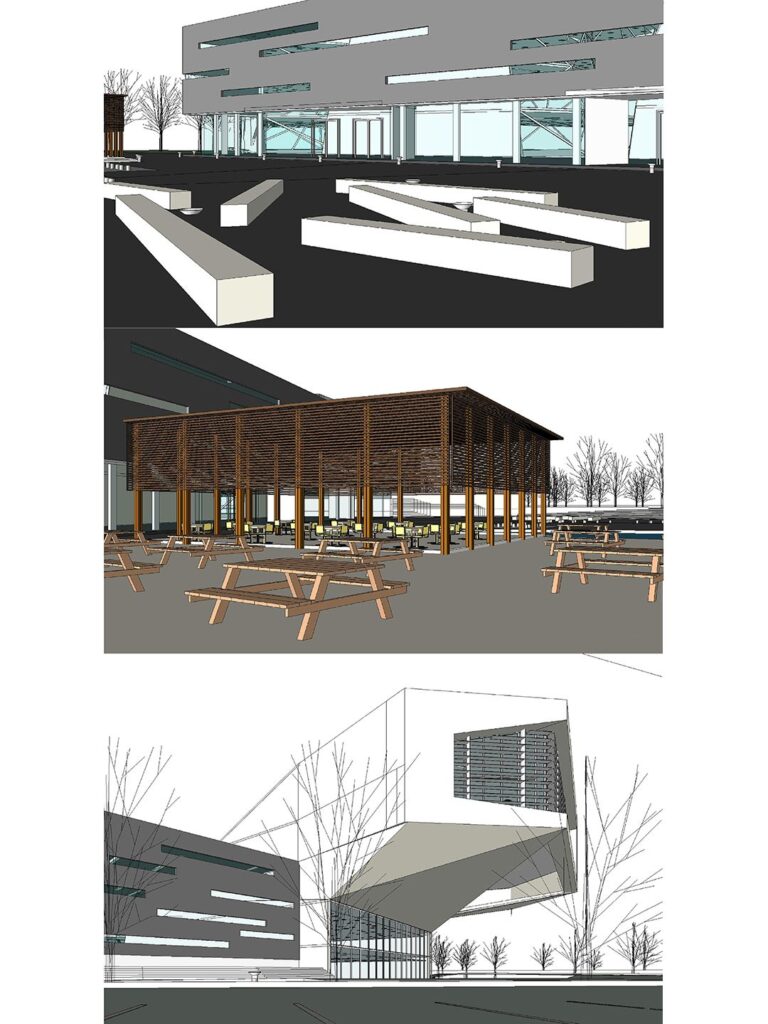
It will include indoor and outdoor exhibition space, an information centre, research space, public library, training centre to encourage implementation of energy efficiency and alternative energy production systems and a hardware tool lending library. In addition, performance and event spaces, cafeteria, book shop and lighting store and parking space is included.

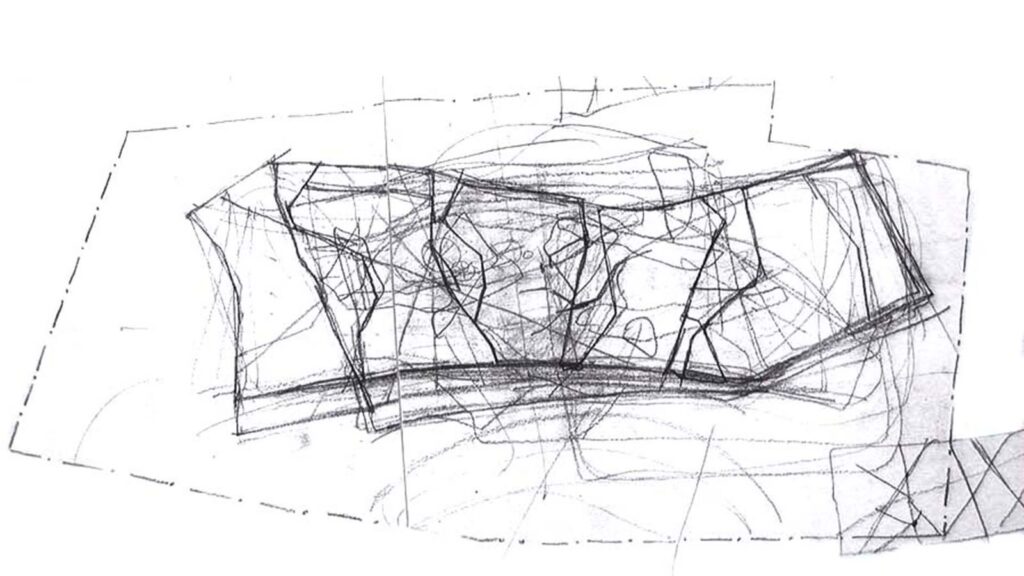
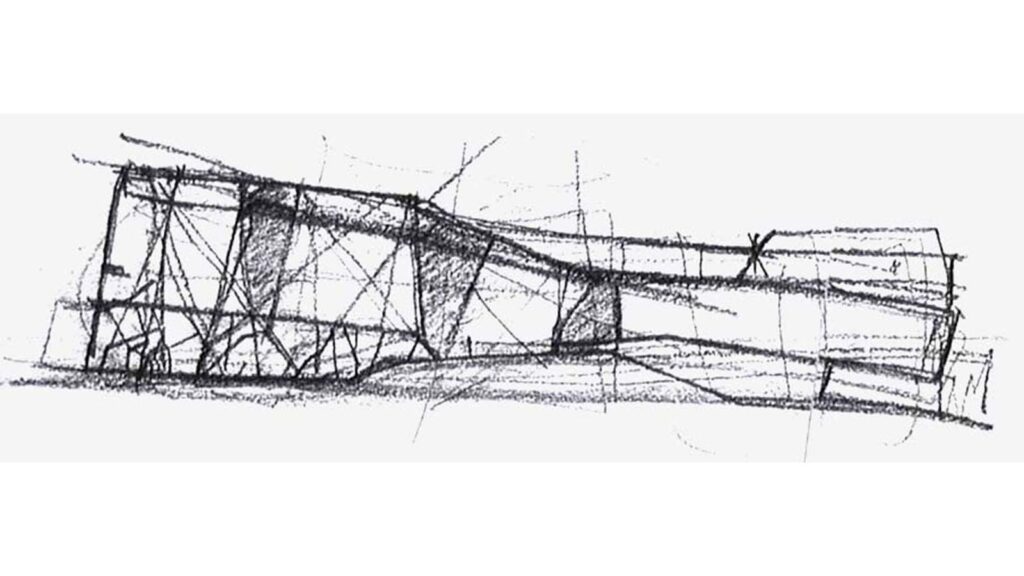
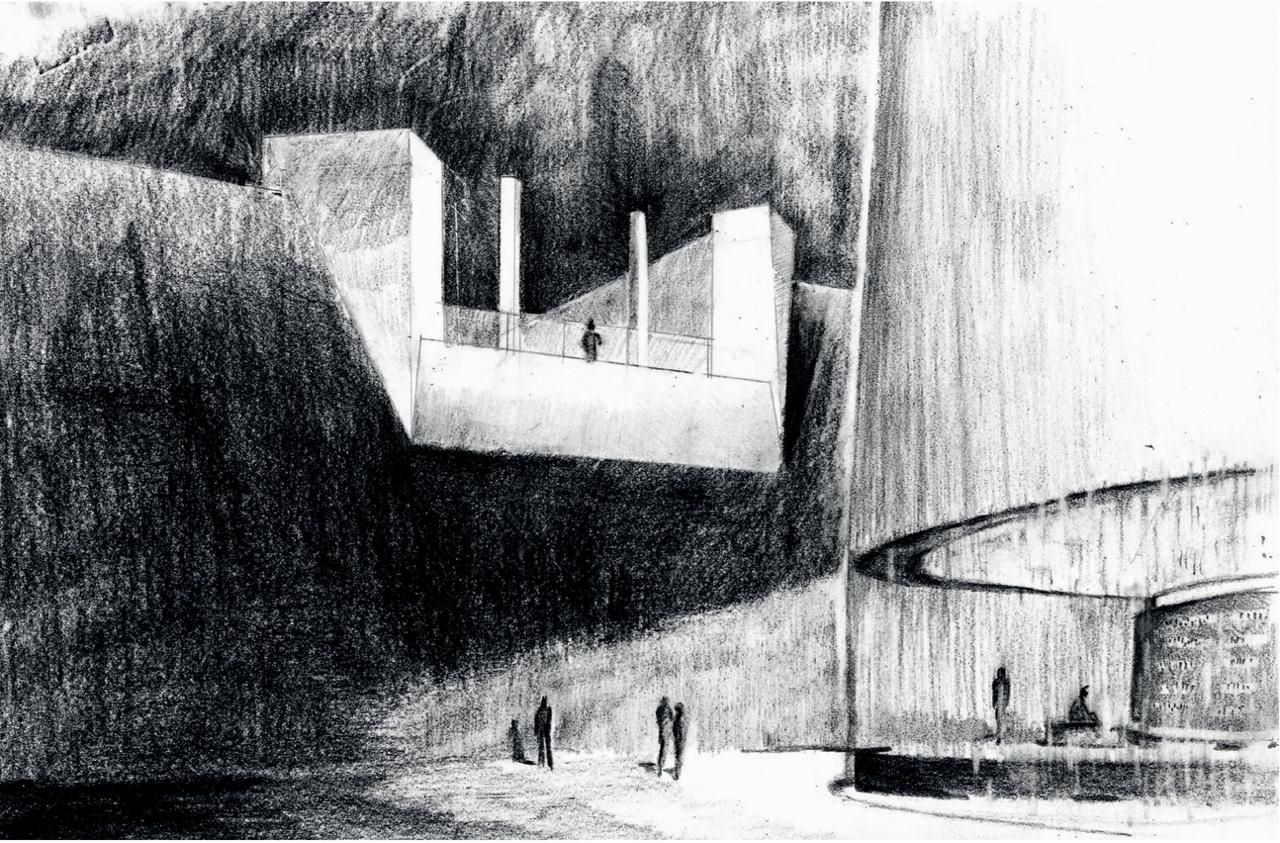
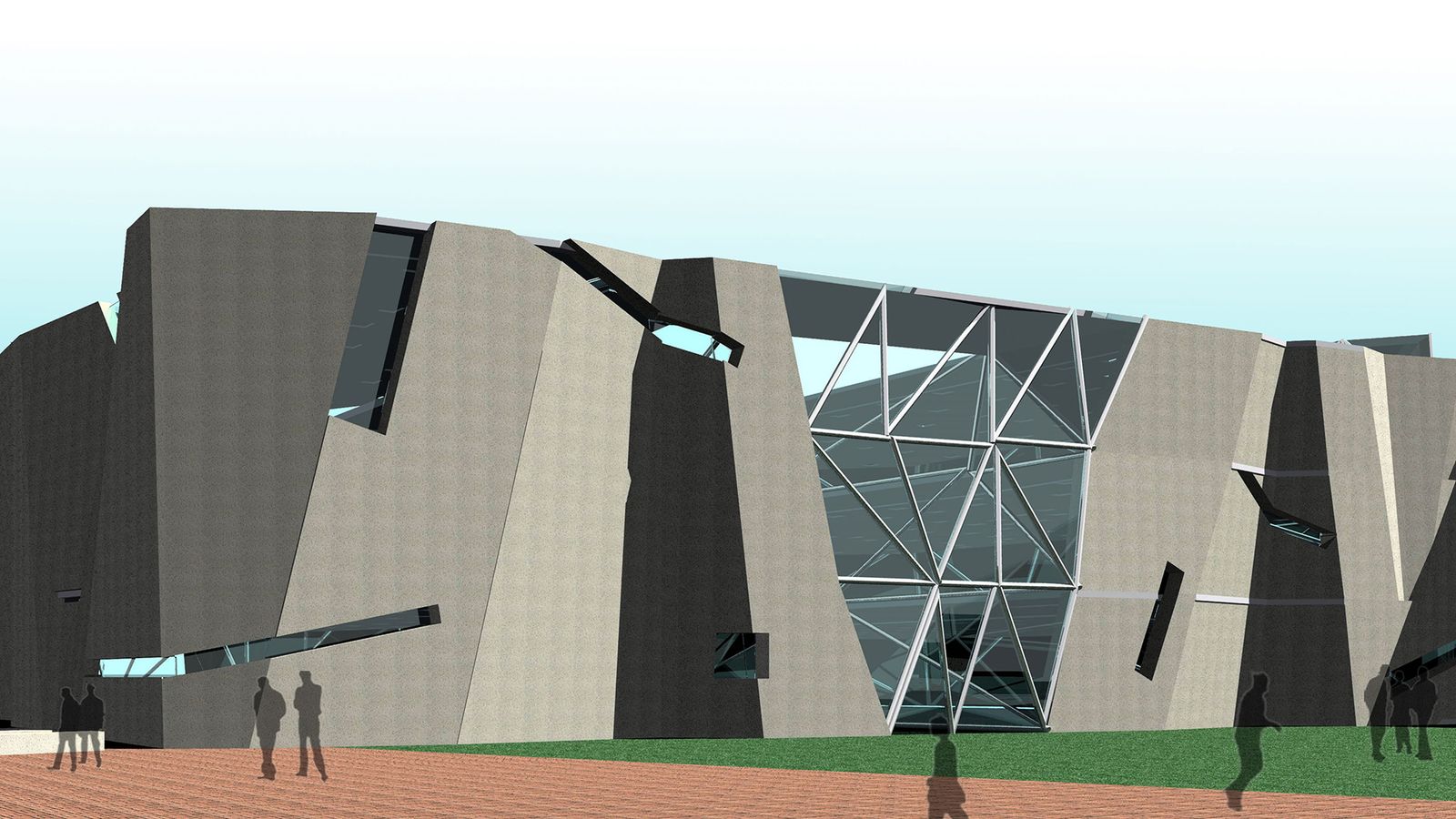
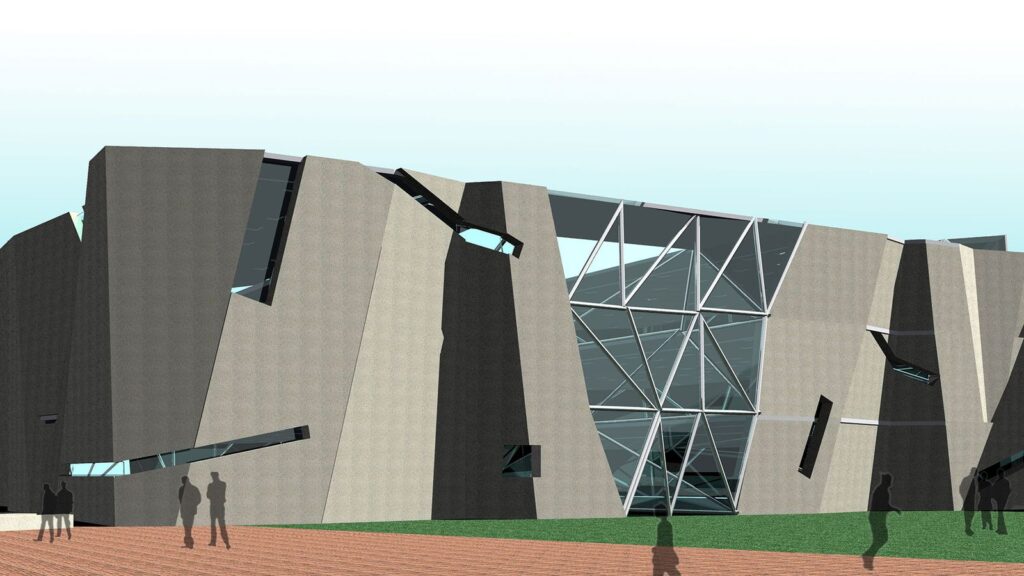
Like a prism, the centre should focus knowledge as well as disseminate it. Light comes alive in its meeting with the crystal; it dazzles, reflects, refracts light. The structural geometry of the electric poles seems similar to the
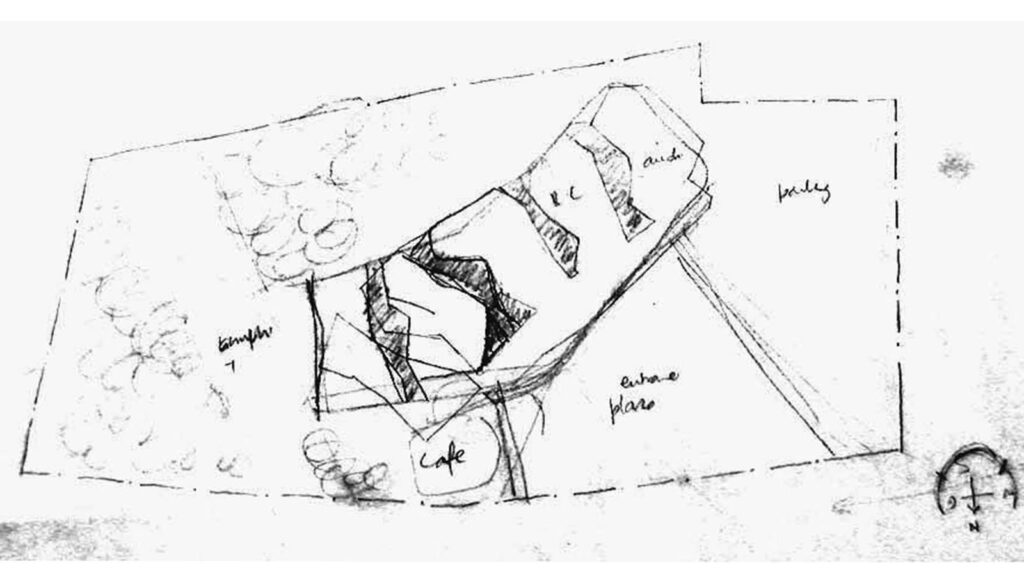
geometry of the polished surface of the crystal. Taking this idea forward the design develops 4 blocks separated by 3 ‘crystal’ courts.

The crystal courts refract the light into the galleries and other spaces by prismatic glass surfaces on two sides. These courts also channelize the prevailing breeze and let it into the gallery spaces where the spaces are not air conditioned. A series of galleries beginning from dark space to the light space showcase the various ways light is used and understood today and through history. The design uses several strategies to make the building energy sensitive and responsive to the local ecology using passive and active systems.

Gallery:
Like what we publish?

[login_dashboard_button]

SUBSCRIBE

A place to explore the ‘what ifs’ of design.

Subscribe & Join a Community of Thousands of Readers

Rupali Gupte

Rupali Gupte is an architect and urbanist based in Mumbai, Professor at the School of Environment and Architecture (SEA) and a partner at BARDStudio. Her work often crosses disciplinary boundaries and takes different forms – writings, drawings, mixed-media works, story telling, teaching, curation, walks and spatial interventions.

Her works include extensive research on contemporary Indian urbanism with a focus on architecture and built environment; tactical practices; housing; and urban form. In 2013, she co-founded the School of Environment and Architecture (sea.edu.in). SEA is envisaged as an experimental academic space for research and education in architecture and urbanism. She has a wide range of publications, has delivered lectures and been on juries across the world. Her works in collaboration with her partner Prasad Shetty, have been shown in several exhibitions including the 56th Venice Biennale, X Sao Paolo Architecture Biennale, Seoul Biennale of Art and Architecture, at Manifesta 7 in Bolzano, at the Museum of Contemporary Art in Barcelona and at galleries such as Project 88, Devi Art Foundation and the Mumbai Art Room. She has recently curated an exhibition involving artists and architects titled ‘When is Space? Conversations in Contemporary Architecture’ at the Jawahar Kala Kendra.

Rupali Gupte