The proposal addresses these fundamental jury inputs:
“We need a programme:
- That uses up very little of the usual building materials which are so scarce and adopts local materials instead.
- That draws on a reserve of Private Entrepreneurship which has not yet been tapped.
- That costs very little.”
– J.B. D’Souza, Secretary, Ministry of Works and Housing [1978].
A room is an important space for the rural poor. It is a safety deposit box, a place where all possessions can remain secure from theft and disaster, a place where women can change clothes, the sick can be cared for and children can rest during hot afternoons. The room has no life in and of itself. It is the hinge that life revolves around.
The house always starts with a room. Launched by the Rajiv Gandhi Government, the Indira Awaas Yojana (IAY) gives financial assistance to an extent of INR 75,000 to rural families who live below the poverty line for building their homes. Since 1985, 25 million homes have been built using this scheme and some other schemes for sanitation in India have been dovetailed. 100 square meters of land is given to each family under this scheme if the family does not possess any land. The poor build houses themselves by the materials and skill they can access.
It is not true that the poor do not have money. The poor do not have money every month, that is, – a reliable source of income. This makes them create assets when possible. This also means that they will build when there is ‘cash-flow’.The poor have an incredibly large palette of materials – a result of generations of research and refinement that enables them to build in specific situations. It is thus criminal to generalize the ‘PUCCA’ house materials and prompt the use of the politically incorrect ‘KUTCHA’ term.
It is pure logic that a brick costs a lot more to move then to dig, form and fire. Rural materials are non-polluting and the elementary ‘kutcha’ house can easily be half-a-century old. Common walls can save a lot of costs.
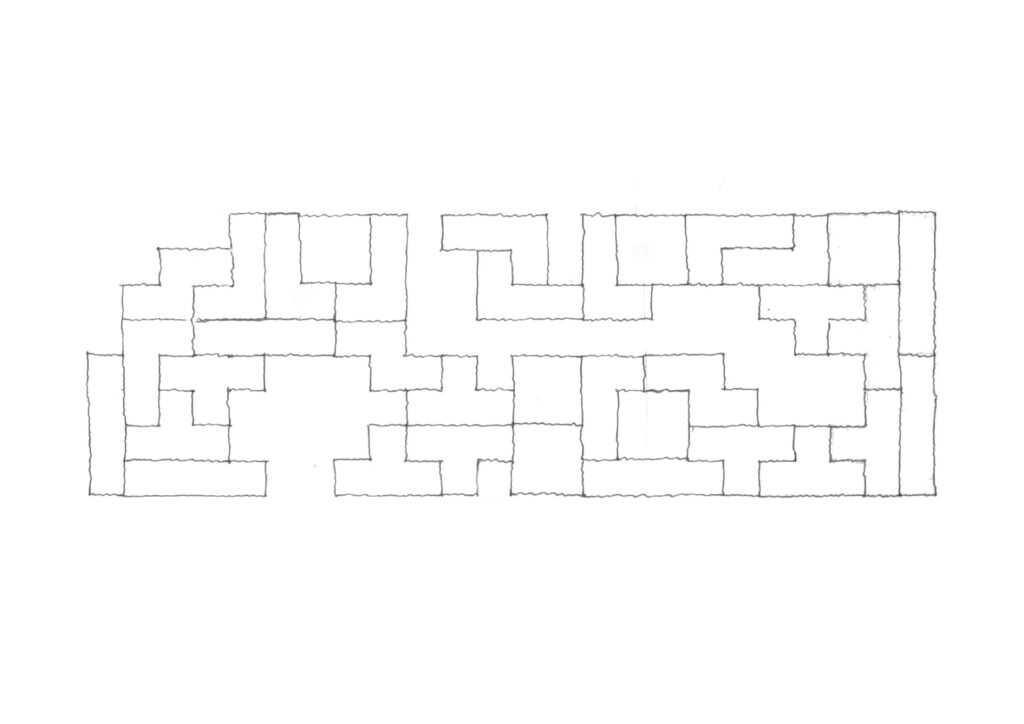
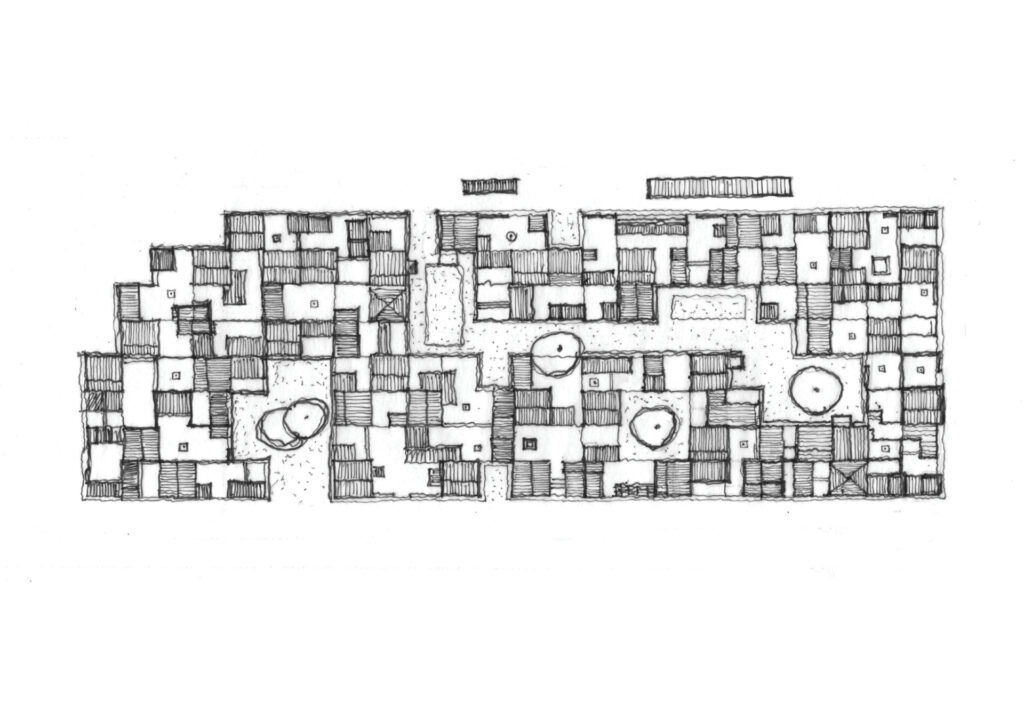
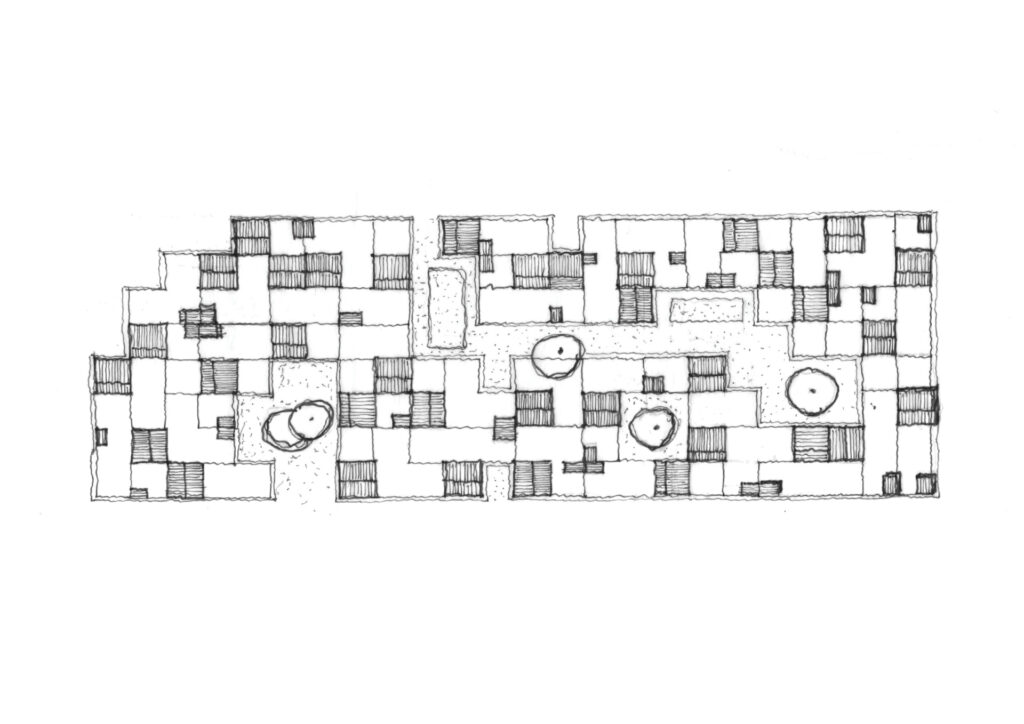
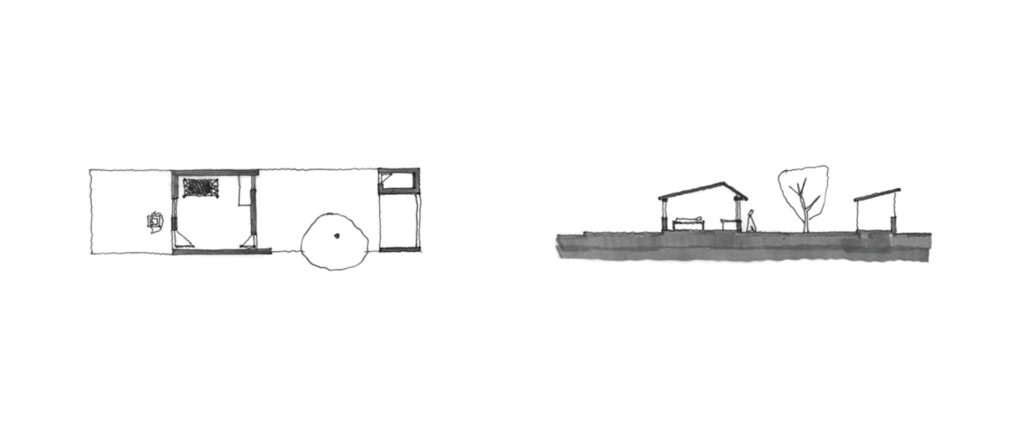
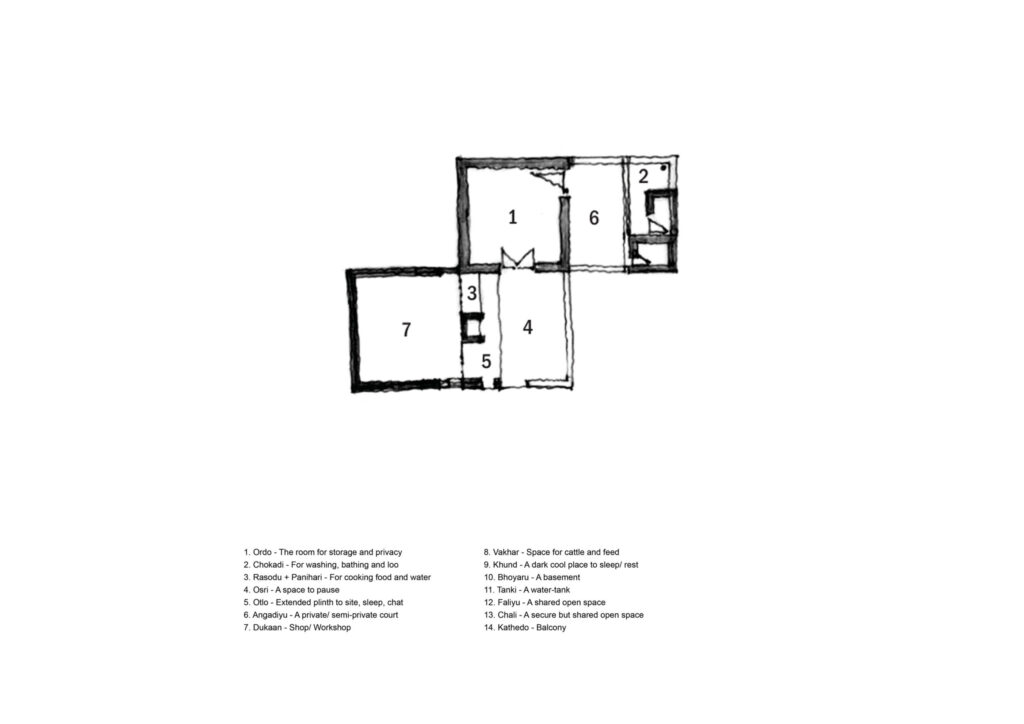
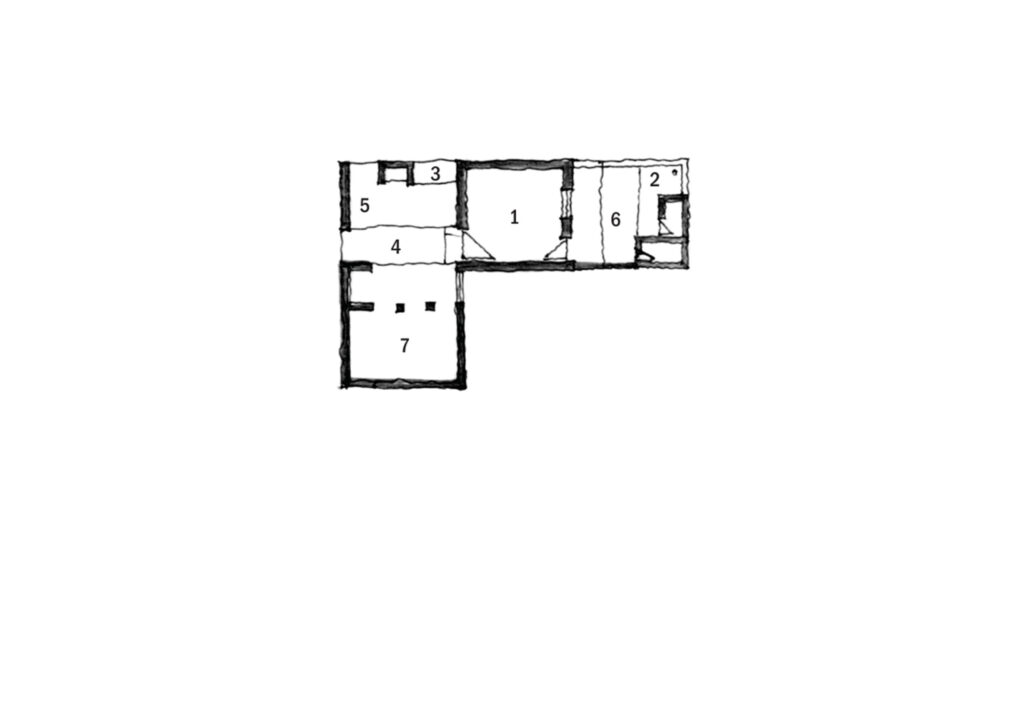
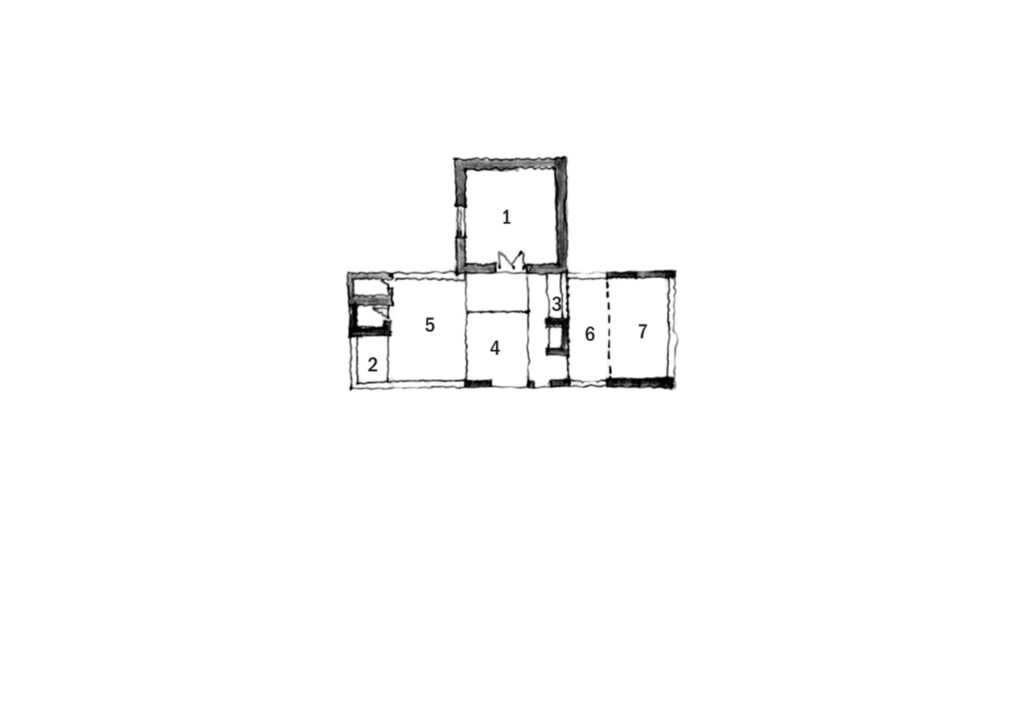
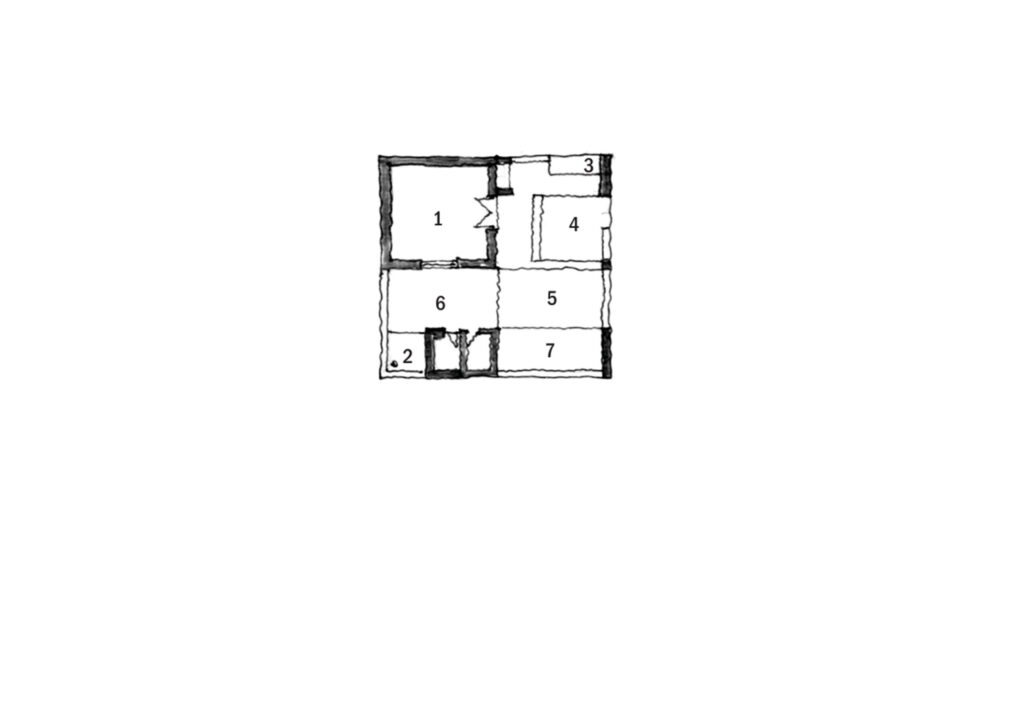
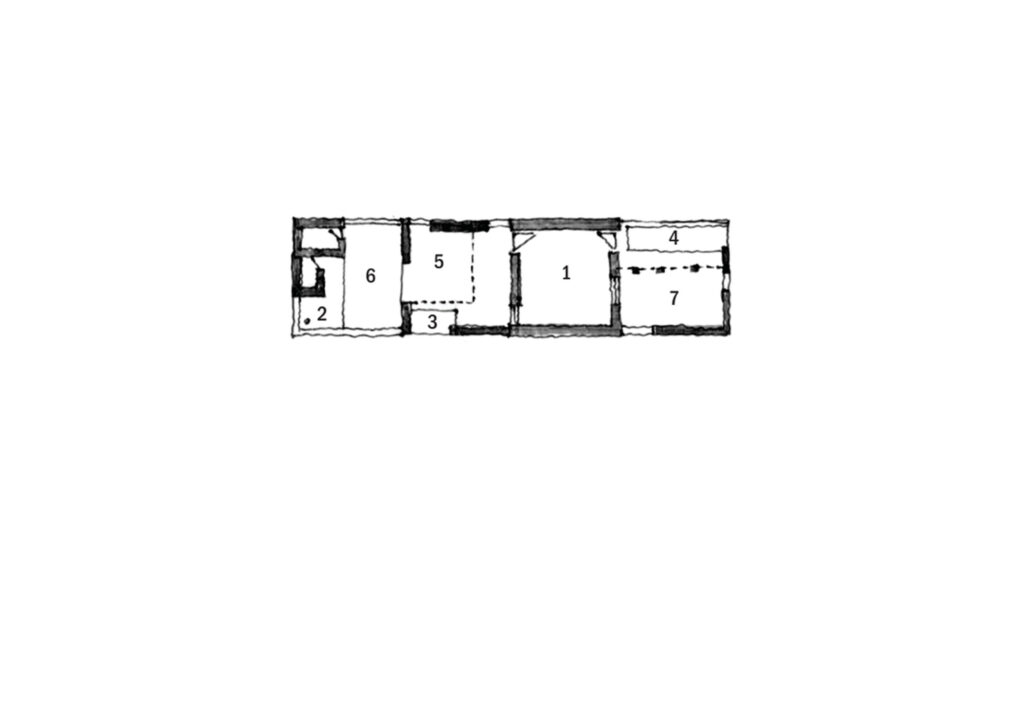
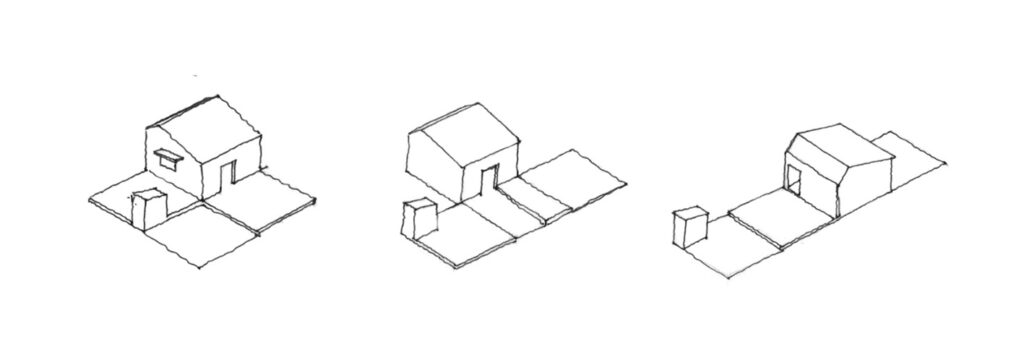
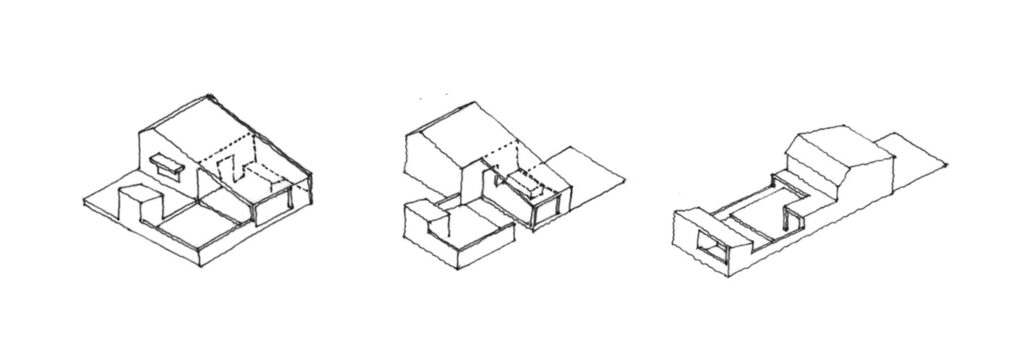
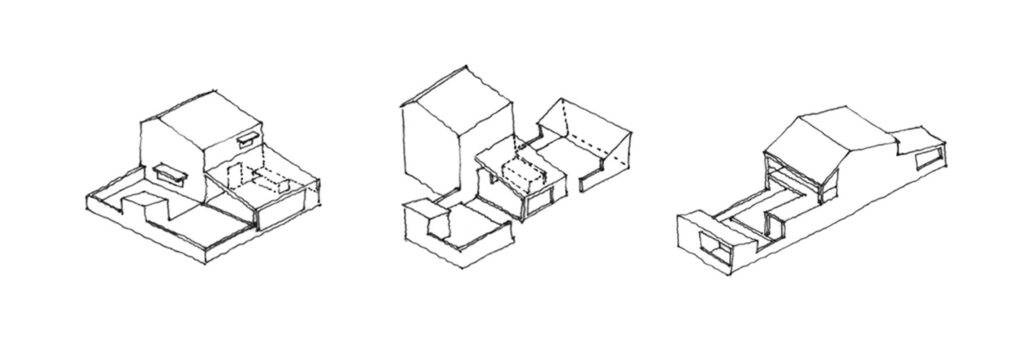
Stage 1 – Occupation – The land is to be occupied and a room to house all belongings is to be built. A toilet is to be added by dove-tailing government scheme. This system is to cost about 1.8 Lac in brick and concrete and about 1 Lac in Local Materials – this stage is to define the orientation and future growth of the house.
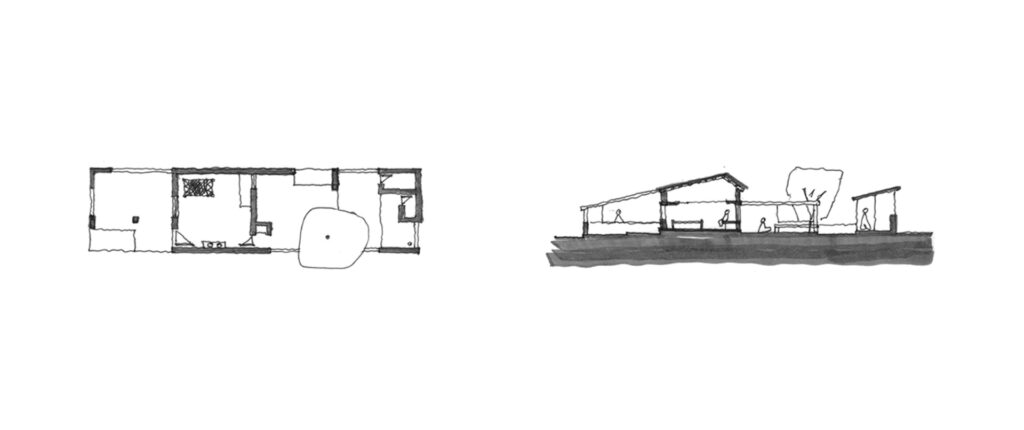
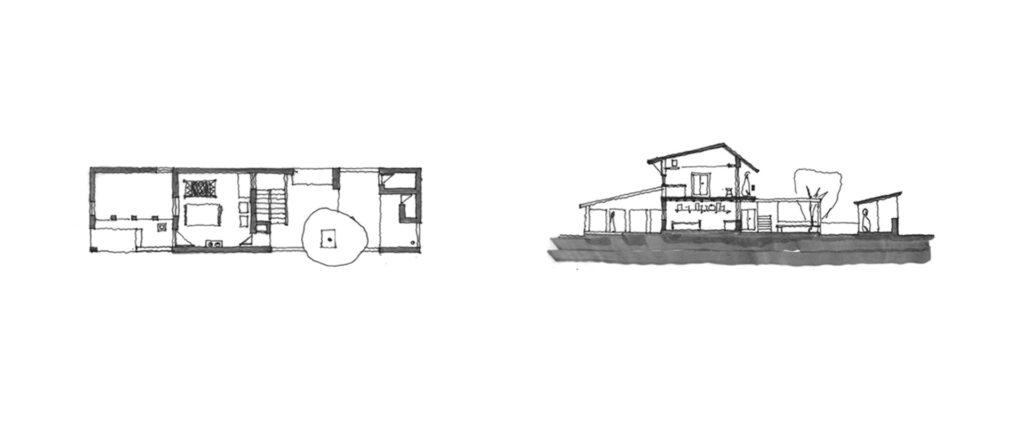
Stage 2 and 3 – Establishing Domicile – Auxiliary spaces are added as and when financially possible. The poor do not go to offices so the workspace or the workshop or the cattle-shed serves as a space for income generation where wares can be made to be sold in the bazaar. The house can accommodate one or two more floors. A court is a vibrant, secure outdoor space – enclosing a nice, shady tree.
MANIFESTO: TETRIS Grammar and Syntax By 2050 more than 50 % of India will still live in its villages. India will be dominantly rural in the space-age. The rural poor are fundamentally different from the urban poor. They have access to land and a quality environment, a robust social fabric, dependable but irregular micro-economic systems and a wealth of skills and resources. More than anything, they have an inherent capacity to plan and build for themselves – something the urban poor living in slums invariably do but alas with urban materials that need mechanical sophistication.
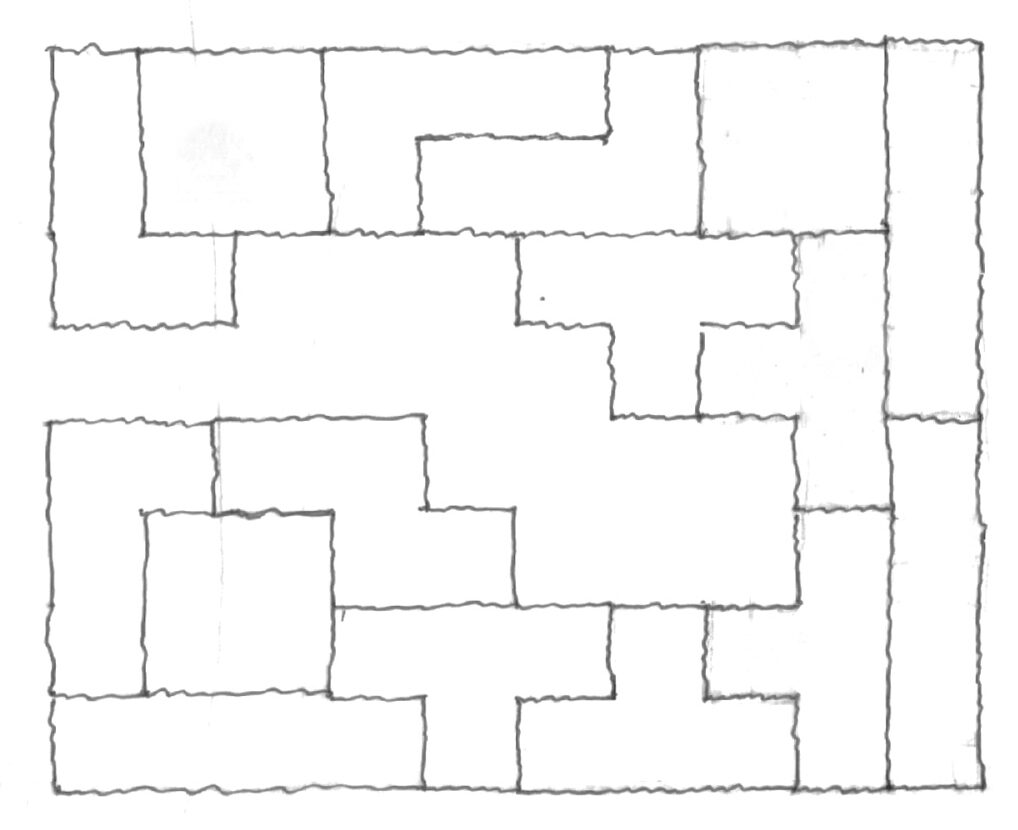
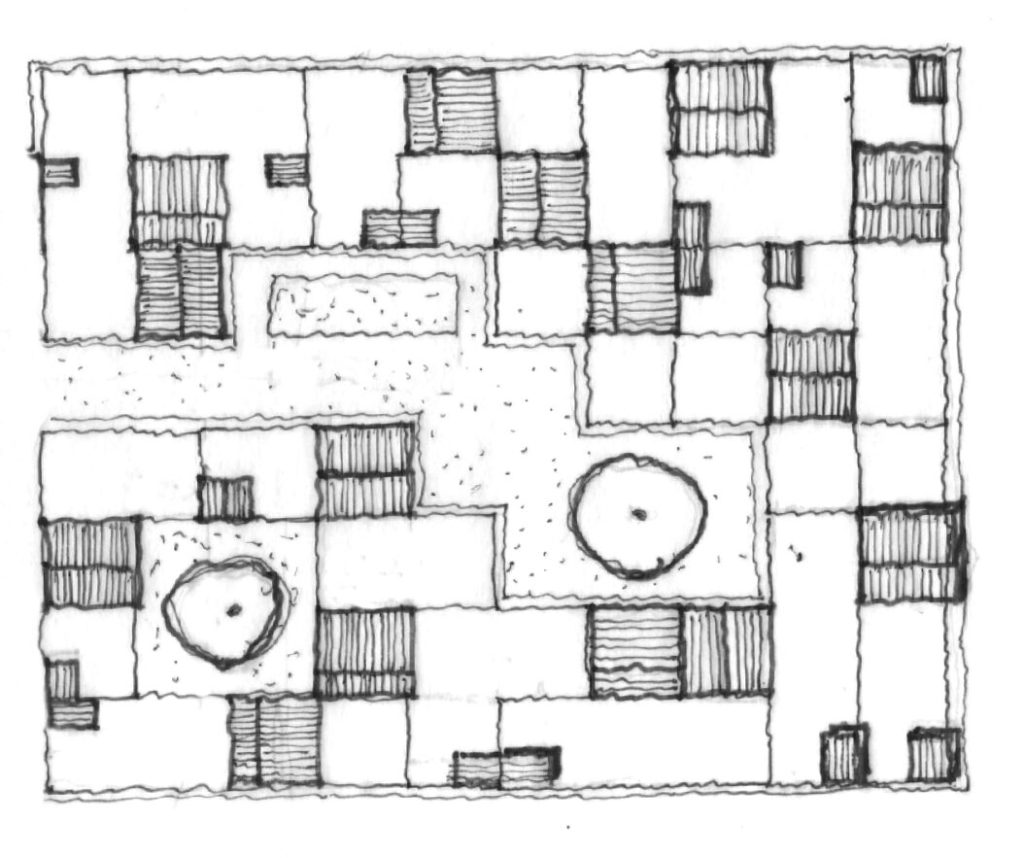
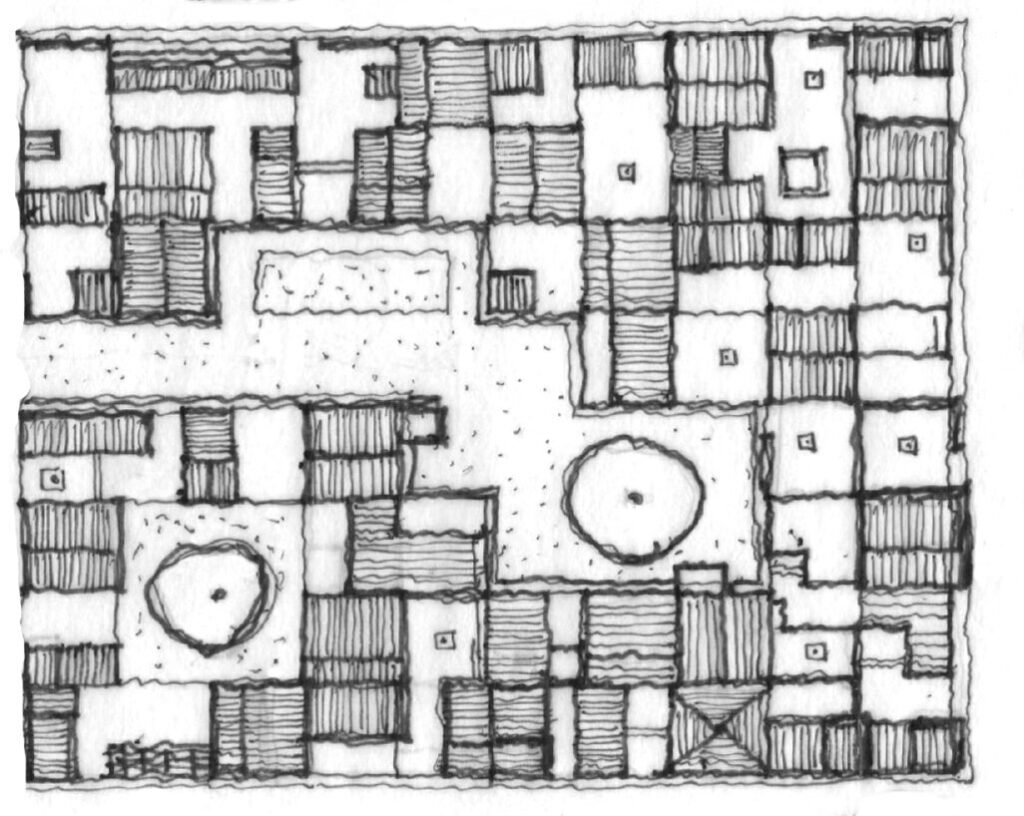
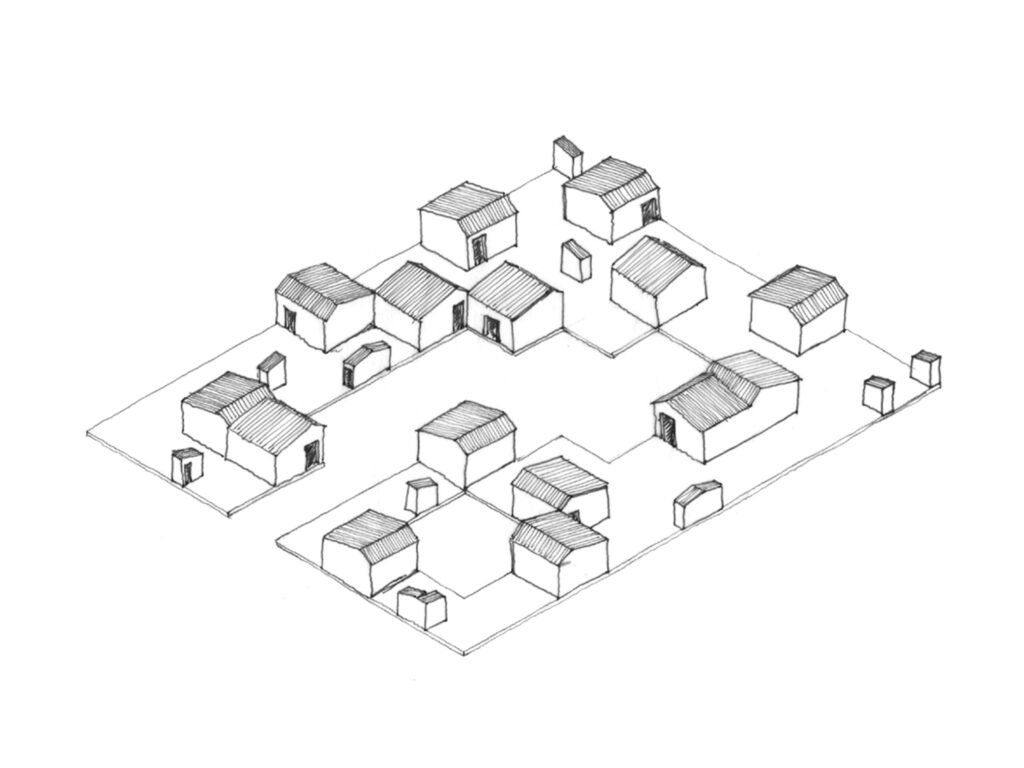
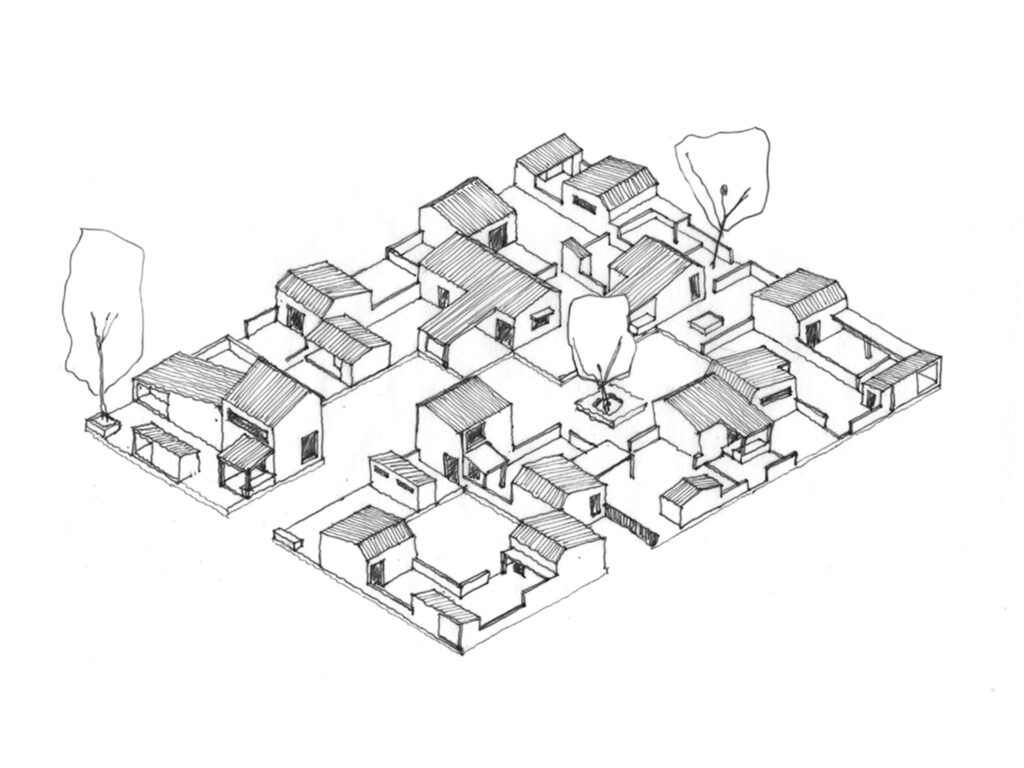
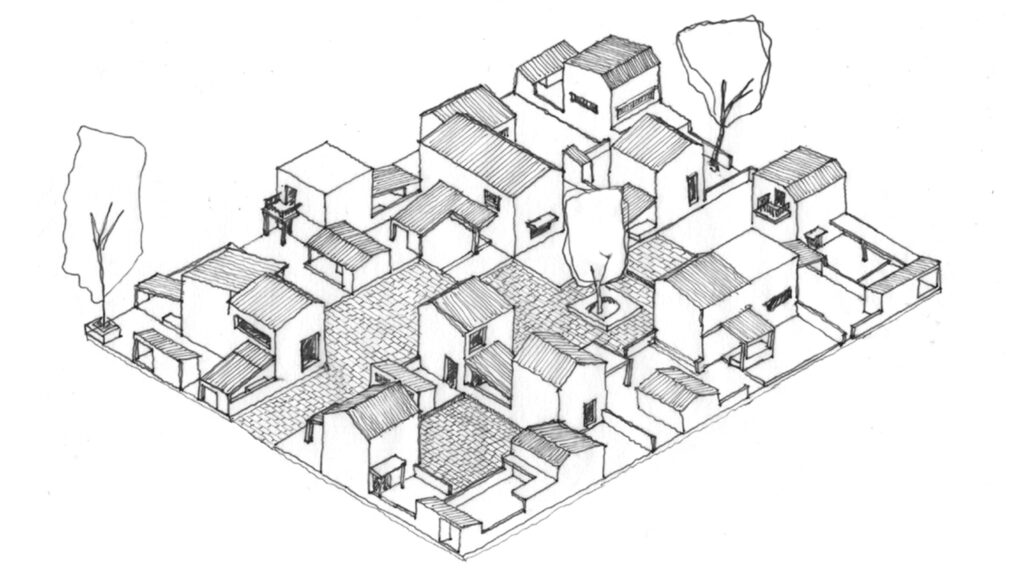
Thus, a top down approach to ‘provide’ housing to the rural poor invariably fails. Here, unsustainability does not lie in the way they build but in the things with which they are forced to build in order to have a ‘pukka’ house. Architects should not indulge in prescribing solutions – the villager knows how to build on his land.
TETRIS is just one of the many possible systems. This system sets the theme and enables variations. Systems thinking can attempt to solve the issue more eloquently than design thinking.
The Government can tie up with co-operative banks to create a mechanism of accountable and accessible finance. Loans against gold / silver help.
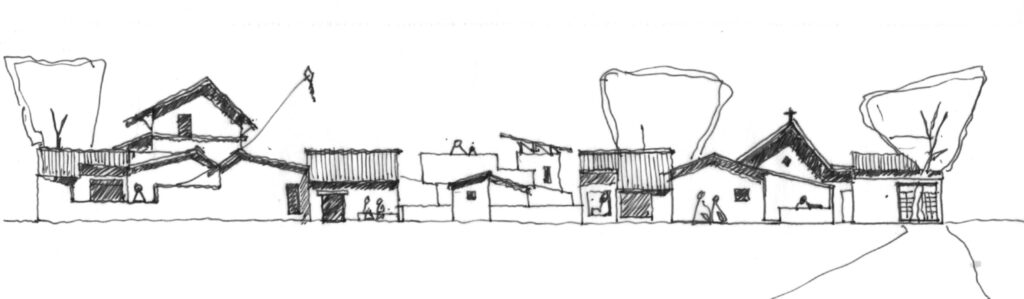
A schedule of local materials and skills in appropriating rural housing is fundamental to this proposal. This system draws from and relies heavily on this local kit-of-parts or a building ecosystem that emerges from an existing knowledge of space, architecture and construction. This system proposes a code that enables a pattern to emerge. This pattern in turn forms the threads of the fabric that is intended to be authentic to the place where it is employed. TETRIS is a Russian tile-matching cult video game, originally designed and programmed by Alexey Pajitnov. It was released on June 6, 1984.
Gallery:
Project Details:
- Project Name: Tetris
- Location: India
- Architect: Studio Matter
- Project Type: Rural Housing Concept
- Client/Patron: Competition Entry for Ethos (Competition and Research Proposal for Indira Avas Yojana)
- Year: 2015
- Site Area: Typical 4 acres and 100 sqm / unit
- Built-Up Area: Incremental
- Design Team: Rishiraj Sarkar, Maanasi Hattangadi, Ruturaj Parikh
- Photographs: Studio Matter