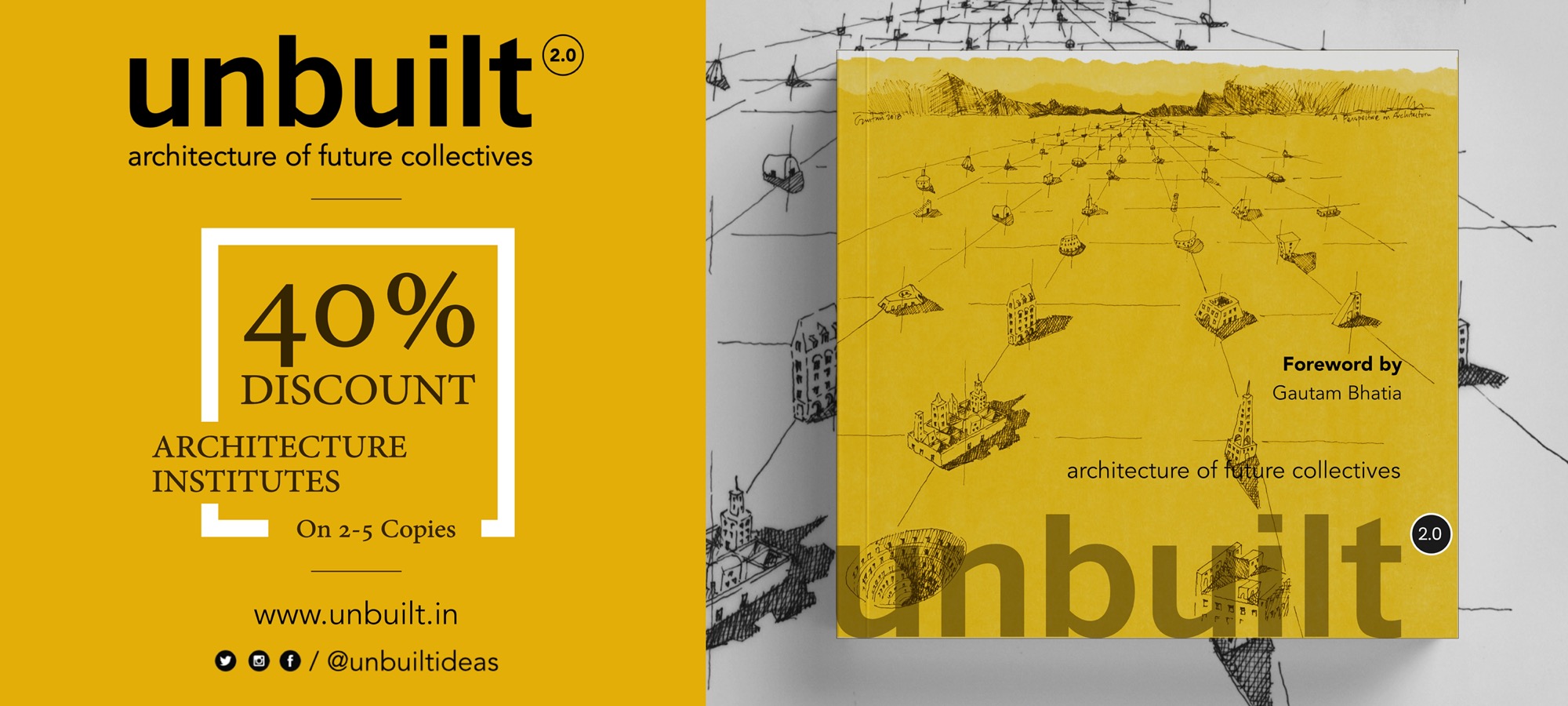
Institutional Discount on Unbuilt 2.0: Architecture of Future Collectives
Unbuilt 2.0: Architecture of Future Collectives was launched on December 16, 2021 by Gautam Bhatia. The launch event preceded many

Unbuilt 2.0: Architecture of Future Collectives was launched on December 16, 2021 by Gautam Bhatia. The launch event preceded many

K-12 school called Urban Gurukul, designed by Tropic Responses is an unbuilt educational architecture designed for a serene surroundings of Bangalore. This project transcends traditional education, aiming to nurture young minds holistically.
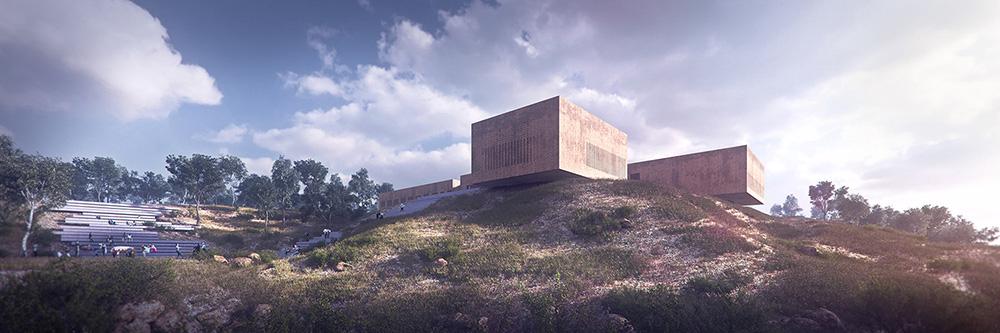
The proposed runner-up proposal for Bamiyan Cultural Centre (competition by UNESCO and Ministry of Information and Culture of Afghanistan), designed by Ahmet Balkan Architects, is an open landscape building with the idea of unity enhanced by simplicity and silence.
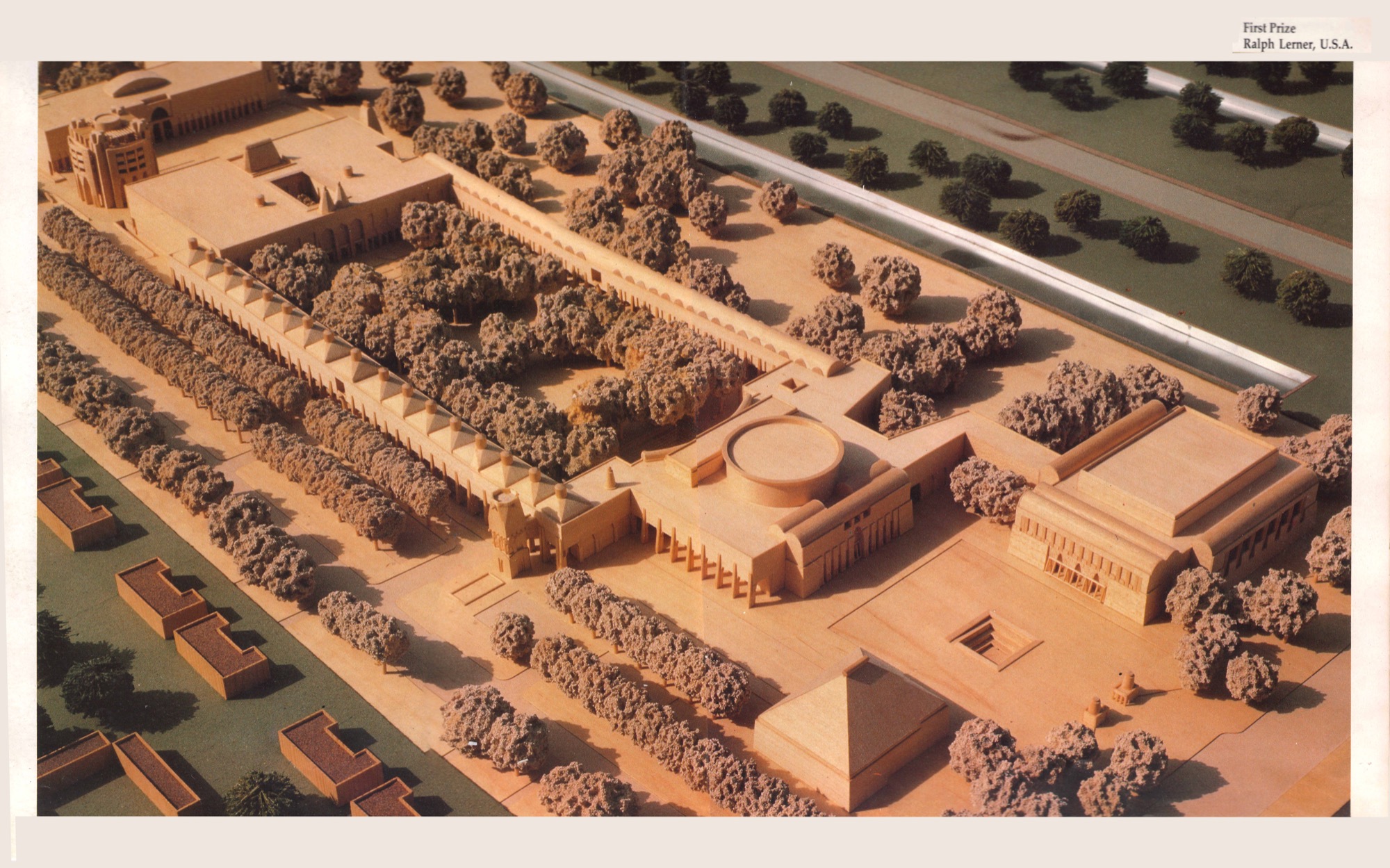
In the last twenty years of practice, our firm ABRD Architects has kept busy primarily by competitions – often by winning, but mostly by losing them. Competitions have always fired our imagination – using the opportunity to delve into design charettes. We typically explore divergent options with the intent to question and go beyond the design brief.
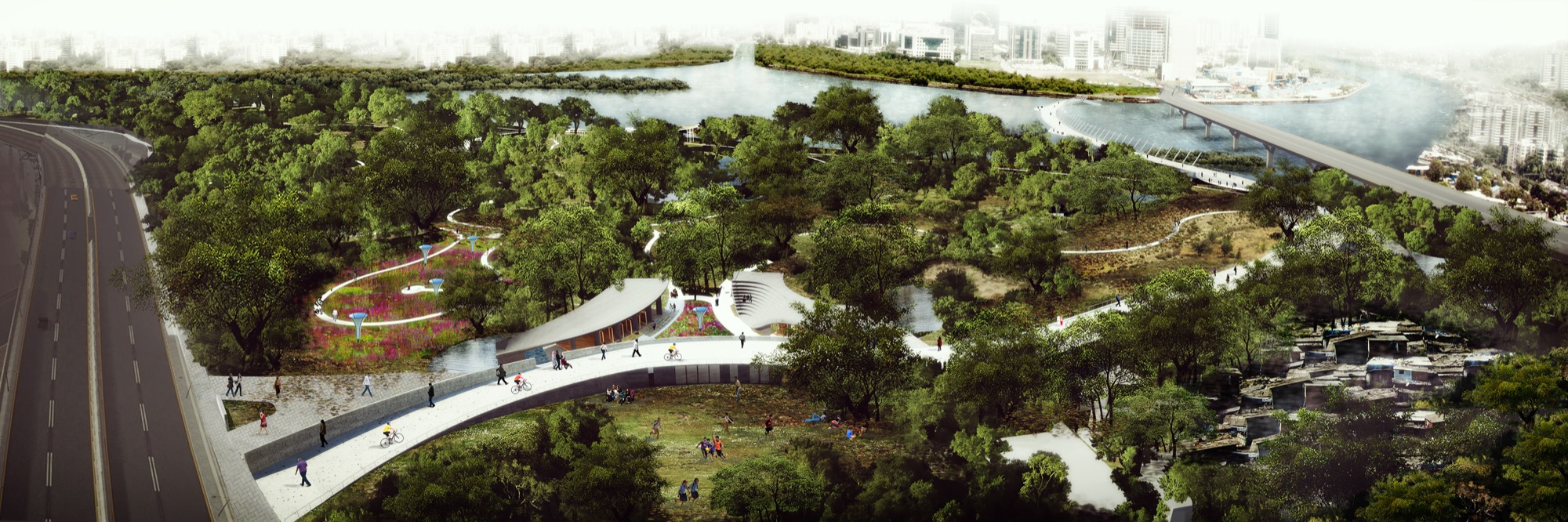
Maharashtra Nature Park Competition is an opportunity to rejuvenate one of the rare parcels of urban forest that lie forgotten within the city and from there on cast a spotlight on a much larger area, extending from the upper reaches of the Mithi and Vakola Nallahs (streams) to the forgotten connect through Mahul to the Eastern waterfront.
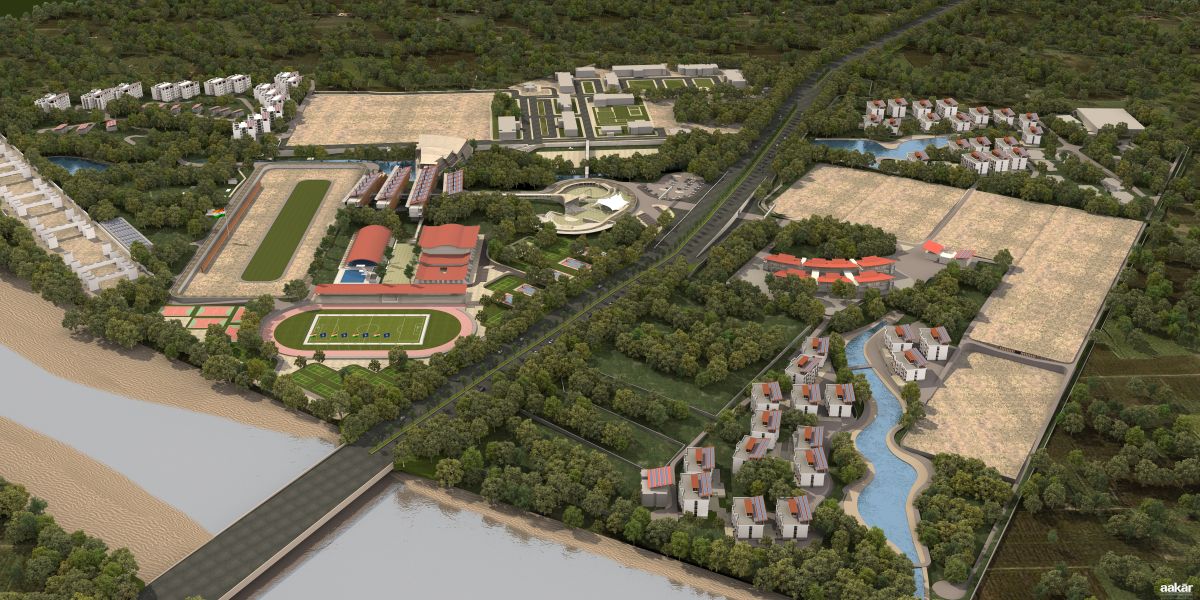
The Police Training Centre in Khalal, proposed by Aakar Design Consultants- A 154-acre site, on an expanse of the Kotar river bed land, along the river Vatrak.
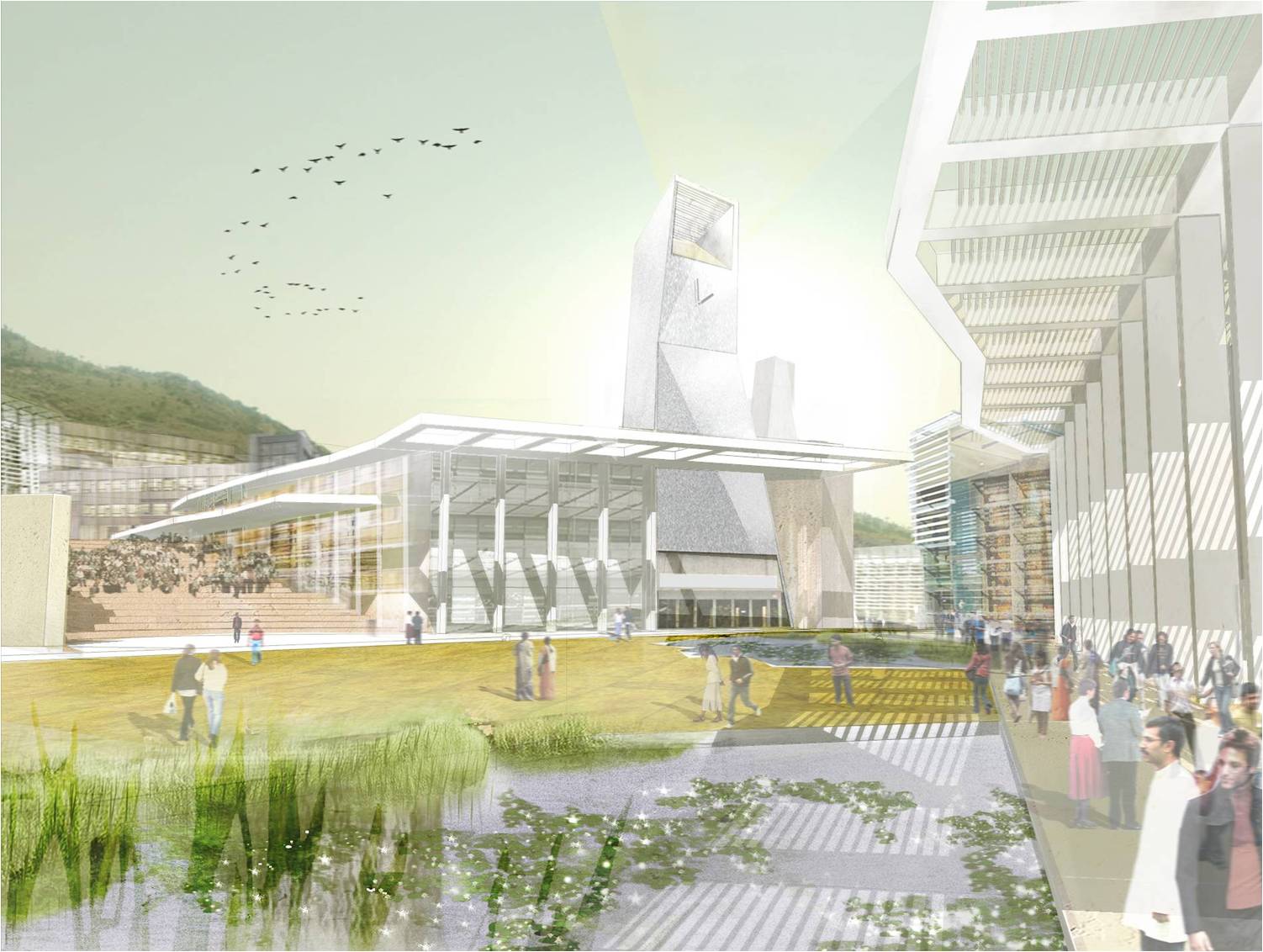
Kalayojan Architects’ proposal for the Bengaluru Regional Centre of the Vishveshwaraya Technological University at their 200 acres site in Muddenahalli village, Chikkaballapura district on Bengaluru – Mysore highway embodies the university’s need for a new visual identity, providing high quality of physical spaces for learning and research and a layout fit for a healthy mix of work and relaxation. This campus design aims to create a world class educational environment as aspired by the academia at VTU.
Vishveshwaraya Technological University, at Bengaluru, by Kalayojan Architects